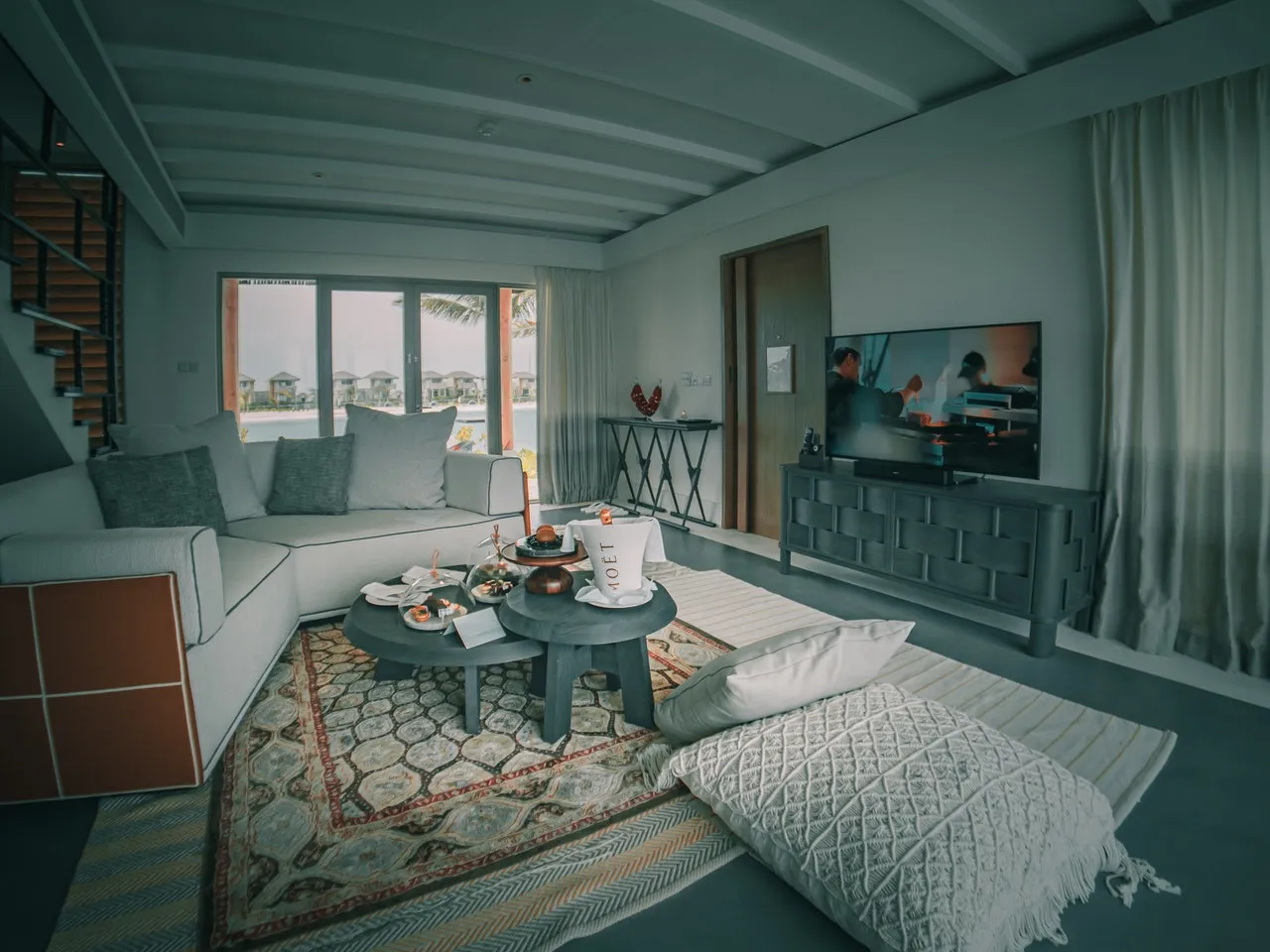

Updating an entire home can feel overwhelming, especially when every room seems to require attention. Many homeowners struggle to figure out where to begin, what order to tackle projects in, and how to make decisions that support both immediate needs and long-term goals. A whole-house update is more than a series of repairs—it’s a thoughtfully orchestrated transformation that enhances daily living, improves comfort, boosts energy efficiency, and increases home value.
Whether you’ve recently purchased an older property, lived in the same home for years, or feel ready for a total refresh, starting with a clear plan makes all the difference. A full-home update doesn’t have to be chaotic; with organized steps, informed decisions, and a focus on priorities, you can turn a dated or dysfunctional property into a cohesive, beautiful, and highly functional space.
This guide walks you through where to start, which projects typically take priority, how to assess your home’s current condition, and how to create an efficient workflow that prevents wasted time and unnecessary expenses.
Step One: Evaluate the Condition of Each Major System in Your Home

Before making cosmetic decisions, it’s important to understand the state of your home’s core systems. These components influence safety, comfort, and long-term property value.
Start by assessing:
- Electrical systems
- Plumbing
- HVAC components
- Roofing
- Foundation and structural integrity
- Insulation and ventilation
- Windows and exterior elements
A system-first approach prevents you from spending money on cosmetic upgrades that could later be ruined by leaks, electrical issues, or structural problems. For example, if the home’s climate control system struggles to run efficiently, it may require support from an HVAC repair service before you begin more visible updates.
Whole-house renovations work best when homeowners identify what’s essential for safety and comfort, then move outward to cosmetic enhancements once the critical systems are secure.
Step Two: Determine Your Overall Renovation Goals
Once you understand the current condition of your home, clarify what you want your update to achieve. Some homeowners prioritize functionality, others want improved aesthetics, while some focus heavily on increasing resale value.
Defining your goals early helps shape the rest of the renovation plan.
Common reasons to update an entire home include:
- Modernizing outdated interiors
- Creating a more cohesive design style
- Improving energy efficiency
- Updating a layout that no longer fits your lifestyle
- Preparing the home for aging in place
- Making the home more marketable for a future sale
- Repairing damage or preventing long-term deterioration
A clear vision ensures you make strategic decisions instead of reacting to individual problems as they arise.
Step Three: Identify Safety and Structural Priorities First

After outlining your general goals, shift your focus to updates that affect safety. These are non-negotiable and should be addressed before anything else.
High-priority projects typically include:
- Electrical upgrades or rewiring
- Foundation or structural repairs
- Roof replacement or strengthening
- Moisture or mold remediation
- Window replacements for safety or efficiency
- Fixing plumbing leaks or damaged lines
If your roof shows signs of leaks, missing shingles, or structural issues, it may require the help of professional roofers to prevent water damage and maintain the integrity of your home.
Safety should always be addressed before functional or decorative improvements. Once the home’s structure and systems are secure, the rest of your renovation can move forward with confidence.
Step Four: Create a Realistic Budget and Timeline
A whole-house update requires thoughtful budgeting. Without a clear financial plan, it’s easy to overspend or underestimate project timelines.
Your budget should include:
- Cost estimates for each project
- Emergency or contingency funds
- Labor charges
- Material costs
- Permit fees
- Potential temporary living arrangements
A comprehensive timeline helps you understand how long each phase will take and how projects overlap. Some repairs and installations cannot begin until others are completed. For example, addressing drainage issues may require gutter replacement services, which must be completed before painting exterior trim or updating landscaping.
A strong timeline prevents delays and ensures your renovation progresses smoothly.
Step Five: Start With Major Infrastructure Upgrades

Once the foundation, structure, and safety issues are under control, turn your attention to the home’s infrastructure. These components influence long-term functionality and energy efficiency.
This stage includes:
- Upgrading plumbing
- Installing or updating electrical systems
- Improving insulation
- Replacing older windows
- Reinforcing ventilation
Some homes may require input from a plumbing installation service to modernize outdated systems or improve water efficiency. Infrastructure upgrades ensure that your home will support new features and modern appliances without strain.
This is also the phase where you prevent costly damage by taking care of hidden systems behind walls, below floors, and above ceilings.
Step Six: Focus on Exterior Improvements Before Interior Repairs
Most whole-house renovations work from the outside in. This method reduces the risk of damaging newly finished interior spaces.
Exterior projects that typically come next include:
- Roof repair or replacement
- Siding upgrades
- Window installation
- Exterior paint
- Porch or deck repairs
- Structural improvements
- Foundation sealing
- Landscaping and tree care
If your property includes overgrown or hazardous trees, a tree removal company may be needed to clear the area, reduce risks, and make way for new landscaping or outdoor living updates.
You may also need roofing services if the home’s exterior envelope cannot protect what you plan to update inside. Taking care of external elements ensures your interior investments remain in excellent condition.
Step Seven: Move Indoors and Begin Structural and Layout Updates

Once the exterior is secure and the home’s systems are updated, interior renovations can begin without risk of damage.
Common interior structural projects include:
- Removing or adding walls
- Expanding doorways
- Opening kitchens to living spaces
- Installing beams for support
- Converting closed floor plans to open layouts
- Reinforcing flooring or subfloor
- Adding new staircases
Large structural updates should always be handled by professionals offering residential construction services, since these projects involve engineering, building codes, and safety considerations.
Making layout changes early will shape the way every other room in the home functions.
Step Eight: Update Interior Surfaces and Architectural Details
With the structure finalized, the next step is upgrading interior surfaces. These features dramatically affect how new your home feels, even before you add décor.
Surfaces and details to address include:
- Walls
- Ceilings
- Trim and molding
- Interior doors
- Paint or wallpaper
- Flooring
- Tilework
Some homeowners choose new flooring to modernize the entire home. Many consult a wood flooring store when choosing materials that enhance warmth and durability.
Upgrading architectural details provides instant cohesion and elevates the look of every room, no matter your design style.
Step Nine: Remodel Kitchens and Bathrooms Second-to-Last
Kitchens and bathrooms are often the most expensive and time-consuming rooms to update. They involve plumbing, electrical work, ventilation, storage, and surfaces that must withstand daily wear.
Renovating these spaces near the end of the project:
- Prevents damage from earlier phases
- Reduces risk of debris entering new fixtures
- Ensures updated systems are ready for installation
- Allows all design decisions to be informed by the rest of the renovation
Kitchens and bathrooms are also high-value spaces, meaning the choices made here influence overall home value more than upgrades in other rooms.
This is the stage where homeowners often focus on flooring, lighting, cabinetry, paint, and functional storage.
Step Ten: Complete Interior Painting and Finishing Touches
Once the heavy work is complete, the home is ready for finishing touches. Interior painting transforms rooms immediately and ties the whole-house design together.
Additional finishing tasks include:
- Installing trim and baseboards
- Mounting hardware
- Hanging interior doors
- Installing shelving
- Updating lighting fixtures
- Decorating
- Arranging furniture
If your renovation includes an outdoor living update, this is also the time to hire a deck painter to refinish or recolor decks and porches. Completing this step later in the process helps ensure the exterior feels just as refreshed as the interior.
Interior finishing touches are where the house truly begins to feel like home again.
Step Eleven: Deep Clean and Prepare for Move-In or Furnishing
Renovations create dust, debris, and construction residue that lingers on surfaces and in the air. A professional deep clean ensures your newly updated home looks polished, feels fresh, and is ready for use.
Many homeowners turn to cleaning services at this stage because professional crews have the tools and techniques needed to remove post-construction residue efficiently.
Consider cleaning:
- Walls and ceilings
- Vents and duct openings
- Floors and windows
- Cabinets and drawers
- Baseboards and trim
- Bathrooms and kitchens
- Light fixtures
- Appliances
Once the space is clean, you can finally bring furniture back in or begin decorating your newly updated rooms.
Step Twelve: Bring in Furnishings and Décor That Match Your New Vision
At this point, your home has been rebuilt, refreshed, or reimagined. Now comes the enjoyable part—styling the space.
Furnishing tips that support your updated home include:
- Choosing a cohesive color palette
- Selecting furniture that suits your layout
- Mixing textures for balance
- Using artwork intentionally
- Incorporating lighting for ambiance
- Styling shelves and built-ins
- Adding greenery and natural décor
Your décor choices should complement the architectural updates and flow of your home. Slow, intentional decorating ensures long-term harmony throughout.
Step Thirteen: Add Exterior Finishing Details and Landscaping
With most of the interior work complete, it’s time to elevate your property’s exterior. Many homeowners complete landscaping last so construction activity does not damage fresh soil, grass, or plantings.
Exterior finishing touches include:
- Updating porch décor
- Painting the front door
- Installing pathway lighting
- Refreshing flower beds
- Laying new mulch
- Planting shrubs or trees
- Adding outdoor seating
- Replacing house numbers or the mailbox
If structural landscaping was required earlier—such as removing hazardous trees—this work may have been coordinated with a tree removal company to protect your home and property.
The exterior should feel just as intentional as the interior, reflecting your updated style and home’s renewed personality.
Step Fourteen: Evaluate Energy Efficiency and Long-Term Maintenance
Even after the major work is complete, there are long-term improvements that can enhance comfort and reduce utility costs.
Consider evaluating:
- Insulation levels
- Window performance
- Energy-efficient appliances
- Smart thermostats
- Water-saving plumbing fixtures
- Ventilation systems
Maintenance also becomes easier once your home is updated. Routine tasks—such as replacing air filters, sealing cracks, maintaining gutters, and checking caulking—help preserve your investment.
During this stage, some homeowners review their exterior and realize that drainage or wear may call for gutter replacement services, especially if rainwater is not flowing properly away from the home.
Step Fifteen: Coordinate Future Projects With a Long-Term Plan
Not all whole-house updates need to be completed at once. Some homeowners choose to break the renovation into phases that span months or years.
A long-term home plan helps:
- Prioritize projects
- Protect your budget
- Coordinate trades
- Prevent duplication of work
- Maintain overall design cohesion
- Spread costs across manageable phases
This approach is especially helpful when considering large outdoor updates, major remodeling, or additions.
Working with experienced professionals in multiple specialties ensures that your home stays safe and functional during its transformation.
Contractors offering roofing services, builders trained in structural upgrades, and specialists familiar with complex installations each play a role in completing a successful whole-house renovation.
When your whole house needs updating, the process may seem overwhelming—but with a structured plan and clear priorities, it becomes a rewarding transformation. Begin by assessing safety, structure, and essential systems. Work from the outside in, address infrastructure before cosmetic updates, and set a realistic budget and timeline to keep progress steady. Once major repairs and installations are complete, you can focus on layout improvements, design choices, surface updates, and finishing touches that make your home feel new again.
A full-home renovation is a journey that requires organization, patience, and thoughtful decisions, but the results can dramatically enhance both your daily life and long-term property value. By following the steps outlined in this guide, you can move confidently from overwhelmed to empowered, creating a beautifully updated home that fits your needs, your taste, and your lifestyle for years to come. With careful planning and a clear vision, each stage builds momentum—allowing your home to evolve into a space that feels intentional, cohesive, and truly reflective of how you want to live.
With careful planning and a clear vision, each stage builds momentum—allowing your home to evolve into a space that feels intentional, cohesive, and truly reflective of how you want to live. Over time, these thoughtful updates create a home that not only looks refreshed but also supports comfort, efficiency, and long-term enjoyment in every season of life. Don’t wait to get in touch with local professionals today!