Owning a home is one of the biggest investments most people will ever make, and protecting that investment requires more than reacting to problems as they arise. Many of the most expensive home repairs begin as small, manageable issues that go unnoticed or are postponed due to time or budget concerns. A minor leak, an unusual noise, or a subtle crack may seem harmless at first, but ignoring these warning signs often allows damage to spread quietly behind walls, under floors, or within mechanical systems. Over time, these minor problems can escalate into major structural, mechanical, or health-related emergencies that strain finances, disrupt daily life, and create unnecessary stress for homeowners.
Preventive residential home services focus on identifying risks early, maintaining critical systems, and extending the lifespan of materials and equipment throughout the house. This proactive mindset encourages routine inspections, timely upkeep, and informed decision-making rather than last-minute repairs. By taking this approach, homeowners can avoid sudden breakdowns, reduce long-term maintenance costs, and preserve both property value and comfort. The following sections explore essential home services that, when handled properly and on schedule, can significantly reduce the likelihood of costly repairs while promoting confidence in the home’s overall condition.
Maintain Healthy Drainage and Soil Conditions Around Your Property
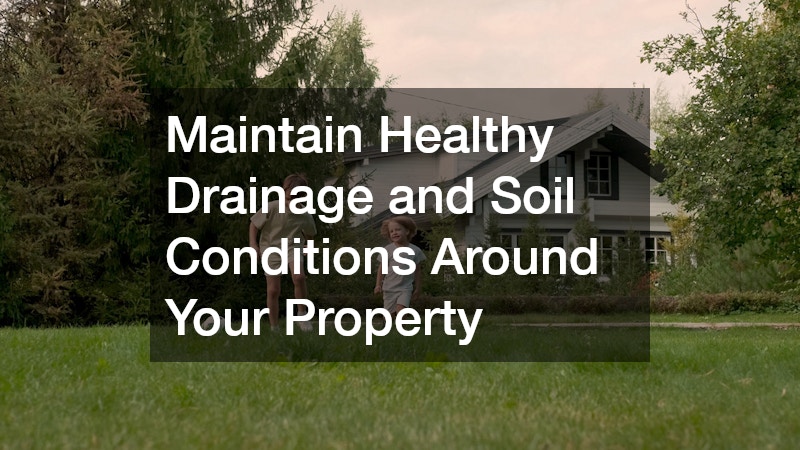
Water management around a home plays a critical role in preventing structural damage. Poor drainage can lead to soil erosion, standing water, and excess moisture near the foundation, which may eventually cause cracks, shifting, or basement leaks. One often-overlooked contributor to drainage problems is neglected landscaping. Consistent lawn care services help manage soil grading, turf health, and runoff patterns that direct water away from the home.
Regular mowing, aeration, and soil conditioning prevent compaction that traps water near the surface. Healthy grass and root systems also absorb rainfall more effectively, reducing pooling during storms. Professionals can identify low spots in the yard, recommend regrading when needed, and ensure downspouts and swales are not blocked by debris or overgrowth.
Beyond aesthetics, lawn and landscape maintenance plays a preventative role in protecting underground systems. Overgrown roots can interfere with drainage lines, while compacted or improperly graded soil can force water toward the foundation. Seasonal inspections of irrigation systems are also critical, as leaking sprinkler heads or misdirected spray can saturate soil near the home’s base.
Mulching, trimming, and managing plant placement further reduce moisture retention near exterior walls. When lawn care is treated as a structural safeguard rather than just routine upkeep, homeowners significantly reduce the risk of long-term water intrusion, foundation stress, and costly exterior repairs. Poor drainage can lead to soil erosion, standing water, and excess moisture near the foundation, which may eventually cause cracks, shifting, or basement leaks. One often-overlooked contributor to drainage problems is neglected landscaping. Consistent lawn care services help manage soil grading, turf health, and runoff patterns that direct water away from the home.
Regular mowing, aeration, and soil conditioning prevent compaction that traps water near the surface. Healthy grass and root systems also absorb rainfall more effectively, reducing pooling during storms. Professionals can identify low spots in the yard, recommend regrading when needed, and ensure downspouts and swales are not blocked by debris or overgrowth. Addressing these exterior conditions early protects the home’s foundation, siding, and basement from long-term moisture-related damage.
Schedule Seasonal Inspections to Protect Heating and Cooling Systems
Climate control systems operate under constant demand, making them vulnerable to wear and inefficiency if not properly maintained. Preventive maintenance reduces the risk of sudden breakdowns during extreme weather, when repairs are often most expensive and urgent. Routine HVAC services focus on cleaning, inspection, and fine-tuning system components before problems escalate.
Technicians typically check refrigerant levels, electrical connections, airflow, and thermostat calibration. Dirty filters or clogged coils can force systems to work harder, increasing energy costs and shortening equipment lifespan. Seasonal servicing also helps identify worn belts, failing motors, or small leaks that could lead to complete system failure if ignored.
In addition to mechanical checks, airflow balancing and duct inspections are often overlooked but essential. Leaky or poorly insulated ductwork can waste energy and create uneven temperatures throughout the home. Addressing these issues improves efficiency and reduces strain on the system.
Routine maintenance also protects indoor air quality by reducing dust, allergens, and moisture buildup. By investing in consistent HVAC inspections, homeowners extend system lifespan, lower monthly utility bills, and avoid emergency replacements that can cost thousands.
Address Minor Roof Damage Before It Spreads
The roof serves as the home’s primary defense against weather, yet small issues often go unnoticed until interior damage appears. Missing shingles, cracked flashing, or minor leaks can allow moisture to seep into insulation, framing, and ceilings. Engaging experienced roofers for periodic inspections helps detect vulnerabilities early.
Professional inspections after major storms or at least once a year can uncover hidden damage. Sealing exposed fasteners, replacing worn shingles, and repairing flashing around chimneys and vents prevent water intrusion. Proactive roof maintenance extends the life of roofing materials and reduces the likelihood of widespread water damage, mold growth, or structural decay.
Roof deterioration often accelerates due to temperature fluctuations, wind uplift, and accumulated debris. Leaves and branches can trap moisture against shingles, while ice dams may force water beneath roofing layers. Clearing debris and maintaining proper attic ventilation helps regulate roof temperature and prevent moisture buildup.
Addressing minor roof issues early also protects interior systems such as insulation and electrical wiring. Once water enters the attic, repair costs multiply quickly. Routine inspections and timely repairs keep small roofing concerns from escalating into major reconstruction projects.

Monitor Structural Changes That Signal Deeper Issues
Subtle changes inside a home can indicate underlying structural problems. Cracks in walls, uneven floors, sticking doors, or gaps around windows may point to shifting or settling beneath the home. Early evaluation by specialists in foundation repair can prevent these symptoms from developing into major structural failures.
Professionals assess soil conditions, drainage patterns, and load distribution to determine the cause of movement. Solutions may include reinforcing footings, improving drainage, or stabilizing soil to prevent further shifting. Addressing foundation concerns promptly protects the integrity of the entire structure.
Seasonal moisture changes often worsen foundation movement, particularly in areas with expansive clay soils. Prolonged dryness or excessive rainfall can cause soil to shrink or swell, placing stress on foundation walls. Monitoring these patterns allows for early corrective action.
Ignoring structural warning signs can result in compromised framing, plumbing damage, and unsafe living conditions. Early intervention keeps repair scope limited and avoids the far higher costs associated with extensive structural remediation.
Reduce Risk of Theft and Property Damage Through Preventive Measures
Security issues can result in costly repairs beyond the loss of personal belongings. Forced entry often leads to damaged doors, windows, and interior finishes. Investing in professional home security services reduces the likelihood of break-ins and vandalism while providing peace of mind.
Modern systems include monitored alarms, smart locks, motion sensors, and surveillance cameras that deter intruders before damage occurs. Many providers also offer fire and water leak monitoring, alerting homeowners to emergencies early.
Well-lit exteriors and visible security signage further discourage unauthorized access. Integrated systems can notify homeowners instantly if a door or window is breached, reducing response time and limiting damage.
Preventing security incidents protects both property and finances. Avoiding even one break-in can save thousands in repair costs, insurance claims, and emotional stress associated with property damage.
Protect Flooring and Indoor Air Quality With Regular Deep Cleaning
Carpets act as filters, trapping dust, allergens, and moisture deep within fibers. Over time, this buildup can degrade carpet materials and contribute to indoor air quality issues. Routine professional carpet cleaning removes embedded debris that standard vacuuming cannot reach.
Deep cleaning helps prevent mold growth, fiber breakdown, and permanent staining. By extending carpet lifespan, homeowners delay the need for premature replacement.
Moisture trapped in carpet padding can also affect subfloors, leading to warping or odor issues. Professional extraction removes excess moisture and reduces the risk of hidden damage.
Clean carpets reduce airborne particles that circulate through HVAC systems, supporting respiratory health and reducing wear on mechanical components. Regular deep cleaning is both a health measure and a long-term cost-saving strategy.
Prevent Water Damage by Updating High-Use Wet Areas
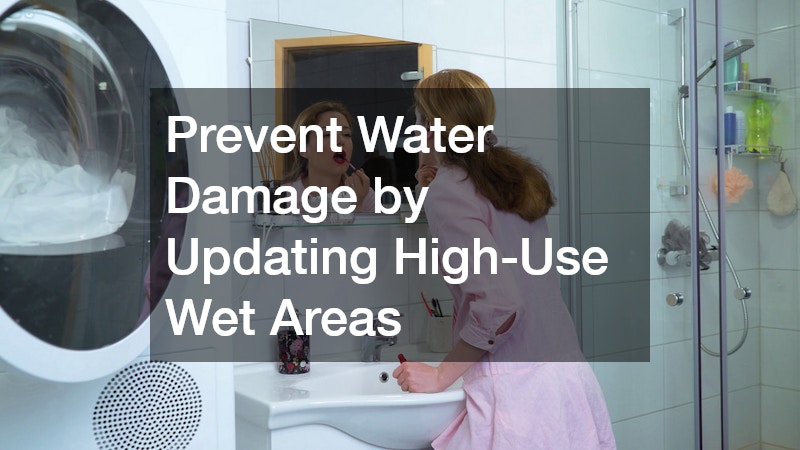
Bathrooms experience constant exposure to moisture, making them a common source of hidden leaks and deterioration. Aging fixtures, worn seals, and outdated materials can allow water to penetrate walls and subfloors. Strategic bathroom remodeling focuses on upgrading waterproofing, ventilation, and plumbing components.
Replacing failing grout, installing moisture-resistant materials, and improving airflow reduce the risk of rot and mold. Modern fixtures also improve efficiency, lowering water usage and stress on plumbing systems.
Older bathrooms may hide slow leaks behind walls or under tubs, where damage can accumulate unnoticed. Remodeling provides an opportunity to inspect plumbing lines and reinforce vulnerable areas.
By addressing moisture risks during upgrades, homeowners prevent costly repairs involving framing replacement, mold remediation, and structural damage that often results from prolonged exposure.
Keep Kitchen Appliances Operating Efficiently
Large appliances are expensive to replace and often essential to daily routines. Refrigerators, in particular, operate continuously and are prone to wear if not properly maintained. Timely true refrigerator repairs address issues such as faulty seals, temperature inconsistencies, or compressor strain before total failure occurs.
Routine inspections and prompt repairs improve energy efficiency and prevent food spoilage. Addressing small mechanical or electrical problems early reduces the likelihood of sudden breakdowns.
Failing components often place stress on other parts of the appliance, accelerating wear. Simple adjustments and part replacements can restore proper operation and extend lifespan.
Maintaining kitchen appliances minimizes disruption and avoids emergency replacement costs, making proactive repair a smart financial decision.
Eliminate Moisture-Related Health and Structural Risks
Excess moisture inside a home creates an environment where mold can thrive, often hidden behind walls or under flooring. Left untreated, mold can weaken building materials and pose health risks to occupants. Professional mold removal services identify sources of moisture and safely eliminate contamination.
Experts not only remove visible mold but also address underlying causes such as leaks, poor ventilation, or humidity imbalance.
Early remediation prevents spores from spreading through HVAC systems and settling in other areas of the home. Containment and proper disposal are critical to long-term success.
By eliminating mold at its source, homeowners protect both their health and their property from recurring damage and escalating repair costs.

Strengthen Surfaces Exposed to Wear and Environmental Stress
Garage floors, basements, and utility areas endure heavy use, chemical exposure, and moisture fluctuations. Bare concrete can crack, stain, or deteriorate over time, leading to structural concerns or safety hazards. Professional floor coating installation provides a protective barrier that enhances durability.
Coatings resist moisture penetration, reduce cracking, and make surfaces easier to clean while improving durability and long-term surface protection.
Sealed floors prevent dust migration and moisture absorption, which can otherwise weaken concrete over time. Slip-resistant finishes also improve safety in high-traffic areas.
Protective coatings extend the life of concrete surfaces and prevent premature resurfacing or replacement, saving homeowners significant long-term costs.
Preventive residential home services are not an added expense but a strategic investment in long-term savings and peace of mind. By addressing maintenance needs early and consistently, homeowners can avoid sudden emergencies that disrupt daily life and strain household budgets. Small issues identified early are typically faster, simpler, and far less expensive to resolve than problems left to worsen over time. Regular upkeep also extends the lifespan of critical systems and materials, helping homeowners get the most value from their original investments while reducing the frequency of major replacements.
Beyond cost savings, proactive care supports a safer, healthier, and more comfortable living environment. Well-maintained homes are less likely to experience water damage, poor air quality, or structural concerns that affect both livability and resale appeal. Over time, this approach preserves property value and strengthens confidence in the home’s condition. Proactive care ultimately transforms homeownership from reactive problem-solving into confident, cost-effective stewardship of one of life’s most important assets, allowing homeowners to plan rather than respond under pressure.