Key Takeaways:
- Build in a contingency fund of 15-20% — hidden issues behind walls, floors, and panels in older homes are common, and a buffer keeps surprise repairs from derailing your budget.
- Permits and inspections cost more than the fee itself — the real expense is time, since delays can stack up rental, storage, and financing costs you didn’t originally plan for.
- Temporary living arrangements need their own line item — rentals, pet boarding, storage, and extra meals out aren’t optional extras once your kitchen or only bathroom is out of commission.
- Lock in design decisions before work begins — change orders made mid-project almost always cost more due to wasted materials, redone labor, and scheduling delays.
- Budget for what happens after the crew leaves — new furniture, touch-ups, cleaning, and adjusted upkeep routines for new systems and finishes are easy to overlook but add real cost.
So you’ve got a number in your head. Maybe a contractor quoted you, maybe you watched a few too many renovation shows, maybe you just added up some online estimates and rounded to a figure that felt safe. Here’s the thing: that number is almost never the number you actually end up spending. Whole home remodels have a funny way of growing legs once the walls come down, and it’s rarely the big stuff that blows the budget. It’s the small, boring, easy-to-forget line items that quietly stack up until you’re staring at a bill that’s 20 to 40 percent higher than you planned.
This isn’t meant to scare you off. A full remodel is one of the best ways to actually love the house you already own instead of chasing a new one in a brutal market. But going in with eyes open beats going in optimistic and getting blindsided three months later. Let’s walk through what tends to slip through the cracks.
Why Does Every Remodel Seem To Cost More Than The Estimate?
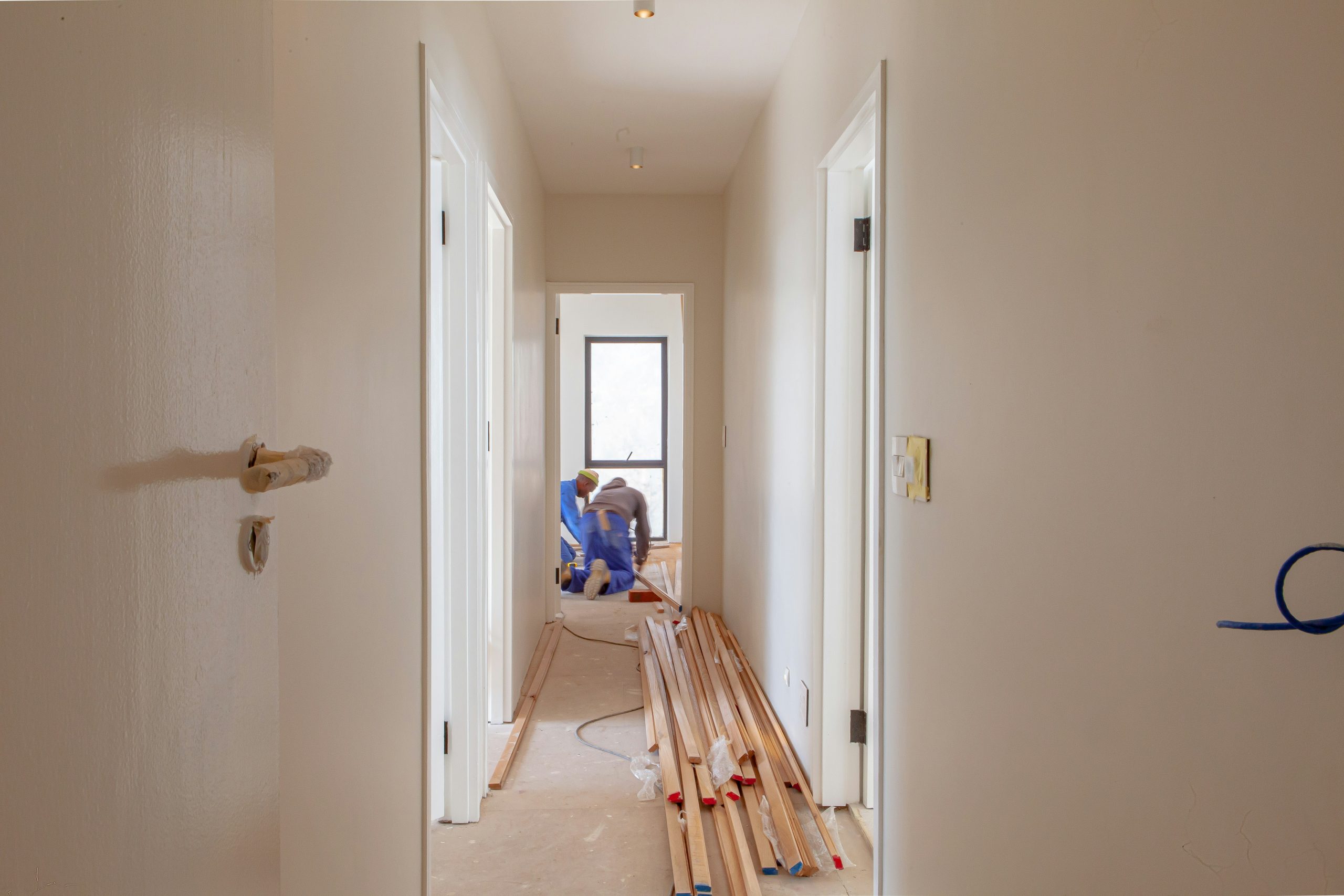
The short answer: estimates are usually built around the visible work, not the invisible work. A contractor walks through your kitchen, looks at your bathroom, and prices out cabinets, countertops, tile, and labor. What they can’t always see until demo starts is what’s behind the walls, under the floors, and inside the panel.
Older homes especially tend to hide surprises like:
- Outdated wiring that doesn’t meet current code
- Plumbing that’s corroded, mismatched, or simply ancient
- Water damage or mold tucked behind drywall
- Foundation issues that only show up once flooring is pulled up
- Asbestos or lead paint in homes built before the 1980s
None of this is anyone’s fault. It’s just the nature of working on a structure that’s been standing for decades. A smart move is to set aside a contingency fund of 15 to 20 percent of your total remodel budget specifically for “we didn’t see that coming” moments. If you don’t use it, great, you just saved money. If you do, you won’t be scrambling to find it.
What Permits And Inspections Actually Cost You
People budget for materials and labor, then treat permits like an afterthought, almost a rounding error. In reality, permit fees can run anywhere from a few hundred dollars to several thousand depending on your city, the scope of work, and how many separate permits you need (electrical, plumbing, structural, and so on each may require their own).
But the fee itself isn’t even the main issue. The real cost is time. Permitting and inspections can add weeks, sometimes months, to a project timeline. And time is money in ways people don’t always connect:
- Extended rental costs if you’re living elsewhere during the remodel
- Storage unit fees for furniture sitting in limbo
- Contractor scheduling conflicts if your project drags into their next job’s start date
- Loan or financing interest accruing for longer than expected
When you’re planning a whole-home remodel, it helps to ask your contractor upfront which permits are required and build that timeline padding into your calendar, not just your wallet.
Do You Need To Budget For Temporary Living Arrangements?
If you’re redoing a kitchen or one bathroom, you can probably tough it out at home. A whole home remodel is a different animal. At some point, your kitchen won’t have a working sink, your only bathroom will be a construction zone, and there’s no electricity in half the house for a stretch.
This is where people get caught off guard, because “temporary housing” isn’t a line item on most remodel budgeting templates. Depending on your situation, you might need:
- A short-term rental or extended-stay hotel for weeks or months
- Pet boarding if your dog or cat can’t handle the noise and dust
- Storage rental for furniture and belongings
- Extra meals out since your kitchen is nonfunctional
- Laundromat costs if your laundry room is part of the renovation
Even staying with family isn’t free. Gas money, contributing to groceries, the general wear of disrupting someone else’s household for months — it adds up emotionally and financially. Price this out before you start, not after you’re already displaced.
What About The Stuff That Happens After The Remodel Is “Done”?

This one catches almost everyone. The contractors leave, the dust settles, and homeowners breathe a sigh of relief thinking the spending is over. But a freshly remodeled home often needs a second wave of costs that nobody mentioned during planning.
Think about:
- New furniture that actually fits the new layout (an open-concept space rarely works with your old furniture arrangement)
- Window treatments sized for new windows
- Touch-up paint and minor punch-list fixes that show up weeks later
- Landscaping repair if equipment tore up your yard or driveway during construction
- Cleaning services for the inevitable construction dust that gets into everything
And here’s a part people really don’t think about: ongoing upkeep changes too. New systems, new finishes, and new fixtures come with their own maintenance rhythms, and keeping them in top shape is one of the most common property maintenance tasks homeowners often miss after a big renovation. A new HVAC system still needs filter changes. New hardwood still needs proper cleaning products, not whatever was under the sink before. New stainless appliances show every fingerprint if you’re using the wrong cleaner. None of this is expensive individually, but skipping it shortens the life of the very things you just paid to install.
How Much Should You Set Aside For Design Changes Mid-Project?
Be honest with yourself here. You will probably change your mind about something once you see it in real life instead of on a mood board. Tile that looked great as a sample can look completely different across an entire floor. A paint color that seemed soothing on a swatch can feel cold once it’s covering four walls in actual daylight.
Design changes mid-project, sometimes called “change orders,” almost always cost more than if you’d locked in the decision from the start. Reasons include:
- Materials already ordered or installed that now need to be returned or removed
- Labor charged again to redo work that was technically finished
- Delays while new materials are sourced
- Rush fees if you need something quickly to stay on schedule
The fix isn’t to never change your mind. It’s to do as much decision-making as possible before the work begins. Lock in finishes, fixtures, and layouts early, and treat the “I’ll decide later” approach as something that will almost certainly cost you later.
What Hidden Costs Come With Older Homes Specifically?
If your home was built before 1990 or so, there’s a decent chance you’re working around systems and materials that don’t play nicely with modern code or modern expectations. This deserves its own conversation because it’s where some of the biggest budget surprises live.
Common hidden costs in older homes include:
- Knob-and-tube or aluminum wiring that needs a full rewire, not a patch
- Galvanized or polybutylene plumbing that’s prone to leaks and corrosion
- Insulation gaps that weren’t visible until walls were opened
- Uneven foundations that affect how new flooring or cabinetry sits
- Outdated electrical panels that can’t handle modern appliance loads
A 100-amp panel that worked fine for a 1970s house full of incandescent bulbs and one window AC unit is not going to keep up with a modern kitchen full of appliances, a home office setup, and central air. Panel upgrades alone can run a few thousand dollars, and they’re easy to overlook if you’re focused on cabinets and countertops instead of what’s actually powering them.
Should You Budget Differently For Labor Shortages And Material Delays?
Yes, and this has only gotten more relevant heading into 2026. Supply chains have mostly recovered from the chaos of a few years back, but certain materials, particularly specialty tile, custom cabinetry, and specific appliance models, still face longer lead times than people expect. Skilled labor in many regions is also stretched thin, which means good contractors are booked out and command higher rates.
A few practical ways to plan around this:
- Ask contractors for realistic lead times on every major material before you finalize a timeline
- Order long-lead items (custom windows, cabinetry, certain appliances) as early as possible, even before demo starts
- Build a buffer into your schedule for “it’s backordered” scenarios
- Get multiple quotes, since labor pricing varies more than people assume between contractors in the same city
Materials and labor pricing aren’t static either. A remodel that stretches from spring into fall might see cost increases mid-project simply due to market shifts. Locking in pricing agreements where possible protects you from this.
What’s The Best Way To Actually Build A Realistic Budget?
Pulling this all together, here’s a practical framework:
- Get your base estimate from materials, labor, and design (the part everyone budgets for)
- Add 15-20 percent contingency for hidden structural, electrical, or plumbing surprises
- Add a separate line for permits, inspections, and the time delays they create
- Budget for temporary housing, pet boarding, and storage if it’s a full remodel
- Set aside post-project funds for furniture, touch-ups, and cleaning
- Lock in design decisions early to avoid expensive change orders
- Account for older-home-specific issues if your house is past a certain age
- Pad your timeline and budget for material lead times and labor availability
It also genuinely helps to talk to neighbors or friends who’ve remodeled recently in your area. Regional cost differences are real, and someone who went through a similar project two streets over will have more relevant insight than a national average pulled from a generic cost calculator.
Final Thoughts: Budget Smarter, Not Just Bigger
The goal isn’t necessarily to spend more money. It’s to spend it on purpose instead of being forced into surprise spending halfway through. A remodel that accounts for permits, temporary housing, post-project costs, and the realities of working with an older home is a remodel that stays on track and doesn’t drain your savings or your patience. Go in with a realistic number, build in breathing room, and you’ll come out the other side with a home you actually enjoy living in, instead of one that left you financially and emotionally exhausted along the way.