Selecting the right commercial roofing system is a strategic decision that affects building performance, operating costs, and long-term asset value. Different materials offer distinct advantages depending on climate, budget, maintenance expectations, and sustainability goals. Property owners and facility managers benefit from understanding how each option performs in real-world conditions rather than relying on surface-level comparisons. This guide breaks down the most common commercial roof types, explains how to evaluate them, and highlights emerging sustainable solutions to help you make a well-informed choice.
What Are the Most Common Types of Commercial Roofing Materials?
TPO is one of the most widely used single-ply roofing systems in commercial construction. It is known for its white, reflective surface that helps reduce heat absorption and improve energy efficiency.
TPO membranes are heat-welded at the seams, creating a strong, watertight barrier that performs well in warm and mixed climates. However, TPO quality can vary by manufacturer, making proper installation and product selection critical. While it offers solid resistance to UV exposure and chemicals, it may be less flexible in extreme cold compared to other membranes. TPO is often chosen for retail centers, warehouses, and office buildings seeking a balance between performance and cost.
EPDM is a rubber-based membrane valued for its durability and flexibility. It performs particularly well in colder climates because it remains stable during freeze-thaw cycles. EPDM roofs are typically black, which can increase heat absorption but may be beneficial in cooler regions. The material has a long service life when properly maintained, but seams are usually adhered rather than welded, which can create vulnerability if installation is poor. EPDM is commonly used on low-slope roofs for schools, medical facilities, and industrial buildings where longevity and weather resistance are priorities.
Metal roofing systems offer exceptional durability and a service life that can exceed 40 years. Available in materials such as steel and aluminum, metal roofs are resistant to fire, wind, and impact damage. They also provide a clean, modern appearance that works well for visible commercial structures. The primary drawback is higher upfront cost, along with the need for specialized installation. Metal roofs may also require insulation or sound mitigation in certain environments. Despite these considerations, they are a strong choice for manufacturing facilities, offices, and buildings where long-term performance outweighs initial expense.
How to Choose the Best Commercial Roof for Your Building
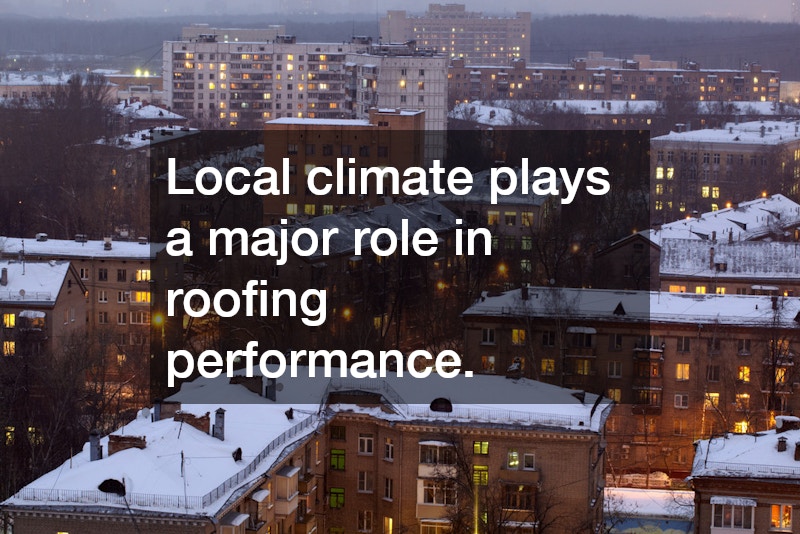
Local climate plays a major role in roofing performance. Buildings in hot, sunny regions benefit from reflective materials that reduce cooling loads, while colder areas require membranes that can handle thermal expansion and contraction. Wind exposure, hail risk, and rainfall volume should also factor into material selection. A knowledgeable commercial roofing company can help assess regional risks and recommend systems designed to perform reliably under local conditions, reducing premature wear and weather-related failures.
Different roofing systems come with varying maintenance requirements. Single-ply membranes typically require regular inspections to monitor seams and flashing, while metal systems may need periodic fastener checks and coating maintenance. Lifespan should be evaluated alongside maintenance effort, not in isolation. Choosing a roof with a slightly higher upfront cost but lower long-term maintenance can result in better lifecycle value. Understanding these trade-offs helps avoid unexpected expenses and operational disruptions.
Budget often shapes roofing decisions, but cost effectiveness extends beyond installation price. Factors such as energy efficiency, repair frequency, and warranty coverage influence total cost of ownership. Some systems offer faster installation, reducing labor costs and downtime. Working with a commercial roofing company that provides clear cost breakdowns and long-term projections allows decision-makers to align roofing choices with financial planning and building goals.
Are There Any Sustainable Roofing Options for Commercial Buildings?
Green roofs incorporate vegetation and growing media installed over a waterproof membrane. They provide insulation, manage stormwater, and reduce urban heat island effects. These systems can extend roof lifespan by protecting membranes from UV exposure. However, green roofs require structural evaluation, ongoing maintenance, and higher initial investment. They are best suited for buildings designed to support added weight and owners committed to long-term environmental benefits.
Cool roof coatings are applied to existing roofing systems to increase reflectivity and reduce surface temperatures. They can significantly lower cooling costs and improve indoor comfort without a full roof replacement. While coatings are not a permanent solution, they are a cost-effective way to extend roof life and enhance energy performance. Regular reapplication is necessary to maintain effectiveness.
Some commercial roofing systems incorporate recycled content, such as rubber or metal, reducing material waste and environmental impact. These options often meet performance standards comparable to traditional materials while supporting sustainability initiatives. When evaluating recycled products, it is important to verify certifications, warranties, and compatibility with the building’s structure to ensure long-term reliability.
Choosing the right commercial roof involves balancing material performance, climate considerations, maintenance expectations, and sustainability goals. Each roofing system offers unique benefits and limitations that should be evaluated in the context of your specific building and budget. By understanding how these options perform over time, property owners can make decisions that protect their investment and support operational efficiency. Informed planning, combined with expert guidance, leads to roofing solutions that deliver long-term value and reliability.