Improving a home’s energy efficiency is one of the most effective ways to reduce monthly utility costs while creating a more comfortable living environment. Many homeowners notice rising energy bills but are unsure which areas of the home contribute most to energy loss. Inefficient systems, outdated materials, and poor insulation can cause heating and cooling systems to work harder than necessary. Over time, this increased strain not only raises energy consumption but can also shorten the lifespan of important home systems.
By focusing on strategic improvements, homeowners can significantly reduce wasted energy while making their homes more environmentally friendly. Upgrades to plumbing, insulation, electrical systems, and structural components all play a role in maintaining stable indoor temperatures and minimizing unnecessary energy use. When these improvements are combined with regular maintenance, the entire home begins to operate more efficiently. As a result, homeowners benefit from lower energy bills, improved comfort, and a property that performs better year-round.
Upgrading Plumbing Systems to Reduce Energy Waste
Water usage is often overlooked when homeowners think about energy efficiency, yet plumbing systems can have a direct impact on energy consumption. Heating water for showers, dishwashing, and laundry requires a significant amount of energy, especially in households with older plumbing fixtures or inefficient water heaters. When pipes leak or fixtures waste water, the home must use even more energy to heat additional water to meet daily needs. Improving plumbing efficiency can help reduce both water waste and the energy required to support household routines.
Working with experienced residential plumbers allows homeowners to identify opportunities to improve water efficiency throughout the home. Professionals can install modern fixtures designed to reduce water consumption without sacrificing performance. They may also recommend upgrades such as efficient water heaters or improved pipe insulation that helps maintain water temperature. These improvements reduce the amount of energy needed to heat water while ensuring that plumbing systems operate smoothly and reliably.
Installing Energy-Efficient Entryways for Better Insulation
Doors play an important role in maintaining a home’s interior temperature, yet older or poorly sealed doors can allow significant amounts of air to escape. Drafts around entryways can cause heated or cooled air to leak outside, forcing HVAC systems to work harder to maintain comfortable indoor temperatures. Over time, these small air leaks can lead to noticeable increases in energy bills while also making rooms feel less comfortable during extreme weather conditions.
Professional door installers can help homeowners improve insulation by replacing outdated doors or improving the seals around existing entryways. Modern energy-efficient doors are designed with insulated cores and weather-resistant materials that help prevent air leakage. Proper installation also ensures that gaps around the frame are sealed effectively, reducing drafts and improving temperature control. By upgrading entryways, homeowners can strengthen their home’s insulation and reduce the workload placed on heating and cooling systems.
Improving Roof Performance to Protect Indoor Temperatures
The roof plays a crucial role in maintaining a home’s overall energy efficiency because it acts as the first barrier against outdoor temperatures. When roofing materials become worn or damaged, they can allow heat to escape during the winter and let excessive heat enter during the summer. Poor roof ventilation and deteriorating materials can also cause temperature fluctuations inside the home, forcing heating and cooling systems to work harder than necessary. Addressing roofing issues can help stabilize indoor temperatures and reduce unnecessary energy consumption throughout the year.
Working with experienced roofing contractors can help homeowners evaluate the condition of their roofs and identify opportunities to improve energy performance. Professionals can repair damaged shingles, improve ventilation systems, and install modern roofing materials designed to reflect heat and resist weather damage. These upgrades can significantly reduce the amount of heat absorbed by the home during warmer months while helping retain warmth during colder seasons. When roofing systems are properly maintained and upgraded when necessary, they play a major role in improving a home’s overall energy efficiency.
Modernizing Electrical Systems for Greater Efficiency
Electrical systems influence how efficiently a home operates, particularly as households rely on an increasing number of appliances and electronic devices. Older wiring, outdated panels, and poorly designed circuits can waste energy and limit the home’s ability to support modern technology. When electrical systems are not functioning efficiently, appliances may operate less effectively or require more power to complete everyday tasks. Upgrading electrical infrastructure can help improve the overall efficiency and reliability of the home.
Professional electrical contractors can assess existing wiring and electrical panels to determine whether upgrades are needed to support modern energy demands. They may recommend installing updated breaker panels, improving circuit organization, or replacing aging wiring that could cause inefficiencies. These upgrades ensure that electricity flows safely and efficiently throughout the home while supporting newer energy-efficient appliances. With a modernized electrical system in place, homeowners can enjoy improved performance and reduced energy waste.
Enhancing Energy Savings With Professional Electrical Upgrades
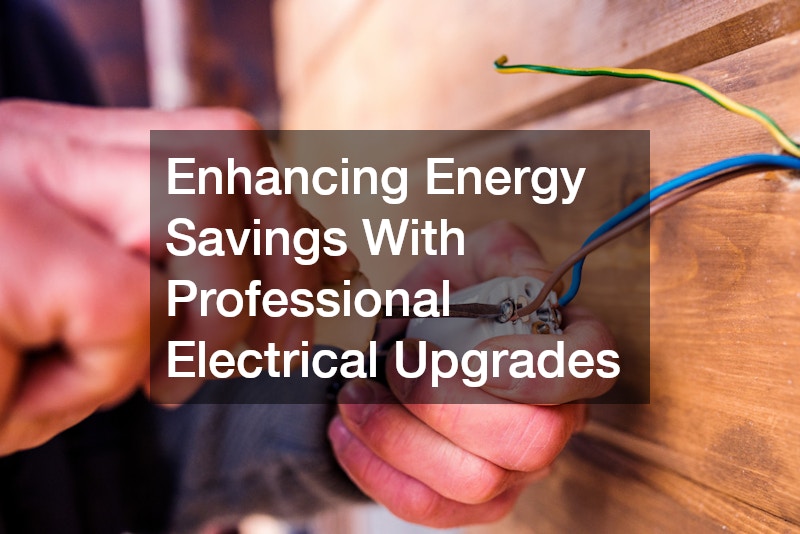
Lighting and electrical fixtures play a significant role in how much energy a home consumes each day. Inefficient lighting systems, outdated outlets, and poorly planned electrical layouts can contribute to higher energy usage. As homes incorporate more technology and lighting features, properly designed electrical systems become increasingly important for maintaining energy efficiency. Improving these systems allows homeowners to reduce power consumption while also making their homes more functional.
Working with a qualified local electrician allows homeowners to upgrade lighting, outlets, and wiring to support energy-saving technologies. Electricians can install modern LED lighting, add strategically placed outlets, and recommend smart switches that help manage electricity use more effectively. These improvements can make it easier to control lighting and reduce unnecessary energy usage throughout the home. When electrical upgrades are handled professionally, homeowners benefit from safer systems and a more efficient household overall.
Optimizing Heating and Cooling Performance
Heating and cooling systems are responsible for a large portion of a home’s energy consumption, which makes their efficiency extremely important. When these systems are outdated, poorly maintained, or improperly sized for the home, they often work harder than necessary to maintain comfortable indoor temperatures. This increased workload not only raises energy bills but can also lead to uneven heating and cooling throughout the house. Improving system performance can make a noticeable difference in both comfort and efficiency.
Working with experienced HVAC companies allows homeowners to evaluate the performance of their current heating and cooling systems and identify potential improvements. Professionals can inspect ductwork, recommend system upgrades, and ensure that equipment is properly sized for the home’s square footage. They may also suggest installing programmable thermostats or zoning systems that help regulate temperatures more effectively in different areas of the house. When heating and cooling systems operate efficiently, the home becomes more comfortable while using less energy throughout the year.
Maintaining Cooling Systems for Maximum Efficiency
Air conditioning systems are essential for maintaining comfortable indoor temperatures during warm weather, but they can become less efficient if they are not properly maintained. Dust buildup, clogged filters, and worn components can reduce airflow and make cooling systems work harder to achieve the desired temperature. Over time, these inefficiencies can significantly increase energy consumption while also shortening the lifespan of the equipment. Regular maintenance is one of the most effective ways to keep cooling systems operating efficiently.
Scheduling routine air conditioning service helps ensure that the system continues to perform at its best. During maintenance visits, technicians can clean components, inspect refrigerant levels, and replace worn parts that may affect system performance. They can also identify small issues before they develop into larger problems that require expensive repairs. By keeping air conditioning equipment properly maintained, homeowners can improve cooling efficiency while maintaining consistent comfort throughout the home.
Reducing Heat Gain With Window Film Solutions
Windows play a major role in how heat enters and leaves a home, especially during warmer months when sunlight directly impacts interior spaces. Large or poorly insulated windows can allow excessive heat to enter, forcing air conditioning systems to run longer in order to maintain comfortable indoor temperatures. This additional workload can significantly increase energy costs while making certain rooms feel warmer than others. Addressing heat gain through windows can greatly improve overall energy efficiency.
Installing home window tinting can help reduce the amount of solar heat that enters the home while still allowing natural light to brighten interior spaces. Window films are designed to reflect or absorb a portion of the sun’s heat and ultraviolet rays, which helps maintain more stable indoor temperatures. In addition to improving comfort, window tinting can help protect furniture and flooring from fading caused by prolonged sun exposure. By reducing heat gain through windows, homeowners can ease the strain on cooling systems and create a more energy-efficient living environment.
Sealing Air Leaks With Advanced Insulation Materials
Air leaks are one of the most common yet overlooked causes of energy loss in many homes. Small gaps around walls, attics, crawl spaces, and rooflines can allow conditioned air to escape while outside air enters the home. When this happens, heating and cooling systems must work harder to maintain stable indoor temperatures. Even minor leaks can add up over time, resulting in higher energy bills and reduced comfort throughout the house. Addressing these gaps can make a significant difference in how efficiently a home performs.
One effective way to seal these air leaks is through the use of spray foam insulations, which expand to fill cracks and hard-to-reach spaces. Unlike traditional insulation materials that simply slow the transfer of heat, spray foam can create a tighter air barrier that prevents unwanted airflow. This helps keep warm air inside during colder months and blocks hot outdoor air during the summer. By reducing the amount of air that escapes through hidden gaps, homeowners can improve temperature stability and decrease the workload placed on heating and cooling systems. Over time, this improved air sealing can result in noticeable energy savings while also making the home feel more comfortable and consistent in temperature.
Working With Experts for High-Performance Insulation
While insulation plays a major role in improving energy efficiency, its effectiveness depends greatly on how it is installed and where it is applied. Many homes, particularly older ones, have insulation that has settled, deteriorated, or was never installed properly in the first place. When insulation is insufficient, large amounts of heated or cooled air can escape through the attic, walls, and crawl spaces. This constant loss of conditioned air forces HVAC systems to run longer and more frequently, which increases energy consumption and operating costs.
Working with the best spray foam companies can help homeowners ensure that insulation upgrades are installed correctly and in the most effective locations. Insulation professionals evaluate the structure of the home to determine where air leakage and heat transfer are most likely to occur. They may recommend applying spray foam in attic spaces, wall cavities, or crawl spaces to create a continuous barrier that limits airflow and improves thermal resistance. These improvements help maintain consistent indoor temperatures and reduce the amount of energy needed to heat or cool the home.
In addition to improving temperature control, high-quality insulation can also enhance indoor comfort in other ways. Proper insulation helps reduce drafts, limits outside noise, and prevents moisture from entering areas where it could cause long-term damage. When insulation is installed strategically throughout the home, it supports the performance of other energy-efficient upgrades such as improved windows, modern HVAC systems, and well-sealed roofing materials. The result is a home that feels more stable in temperature while operating more efficiently throughout the year.
Improving a home’s energy efficiency involves more than making a single upgrade. Instead, it requires a combination of improvements that work together to reduce energy waste and maintain comfortable indoor conditions. Elements such as plumbing systems, doors, roofing, electrical infrastructure, heating and cooling equipment, and insulation all contribute to how efficiently a home operates. When homeowners address these components strategically, they can significantly reduce energy consumption while improving the overall performance of their property.
Over time, these improvements can lead to lower utility bills, fewer maintenance concerns, and a more comfortable indoor environment. Energy-efficient homes are better equipped to maintain consistent temperatures, prevent drafts, and reduce strain on critical systems such as heating and cooling equipment. As energy costs continue to rise, investing in efficiency upgrades can help homeowners maintain better control over long-term operating expenses.
Another benefit of improving energy efficiency is the positive impact it can have on property value. Homes that operate efficiently are often more attractive to buyers because they promise lower utility costs and improved comfort. Even homeowners who are not planning to sell in the near future can benefit from a home that is easier and more affordable to maintain. These improvements help ensure that the property remains modern, functional, and well equipped to meet changing energy standards.
By focusing on a variety of improvements throughout the home, homeowners can create a more sustainable and efficient living environment. Whether through better insulation, upgraded electrical systems, improved plumbing, or modern heating and cooling equipment, each upgrade contributes to a home that wastes less energy and performs more reliably. With careful planning and professional expertise, it is possible to transform an average home into one that is both comfortable and energy efficient for many years to come.