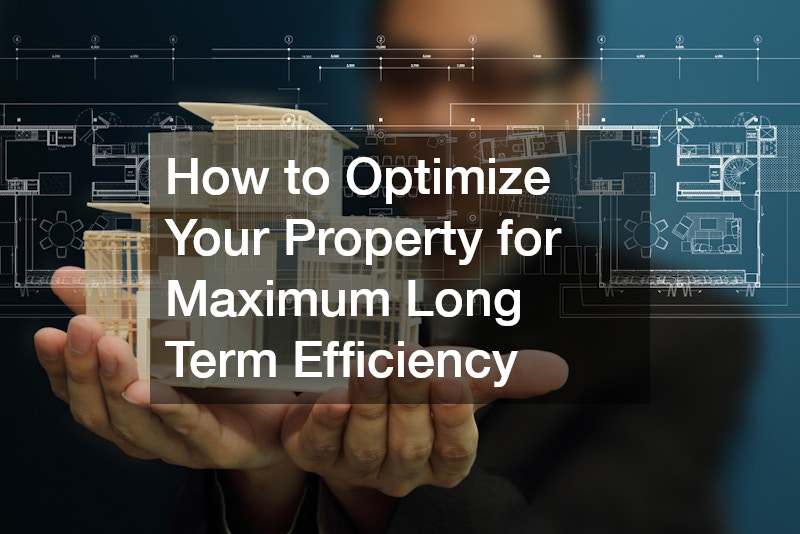
The concept of property efficiency has reached a turning point. In previous decades, a home was considered efficient if it simply had decent windows and a programmable thermostat. Today, the standard has shifted toward a holistic model of performance. Efficiency now encompasses the synergy between the building’s physical structure, the technology housed within it, and the external environment that surrounds it. When these elements are aligned, a property does more than just save money on monthly bills; it provides a more comfortable, durable, and healthy environment for everyone inside.
Optimizing for the long term requires moving away from quick fixes and focusing on “deep” efficiency. This involves making strategic decisions during the construction, renovation, and maintenance phases that pay dividends over twenty or thirty years. It is about understanding that a home is a collection of interconnected systems. If one system fails or underperforms, it puts an unnecessary burden on the others. By taking a high-level view of your property’s potential, you can create a residence that remains functional and cost-effective regardless of rising energy prices or changing climate patterns.
The Structural Foundation of High Performance

Efficiency is built from the ground up, literally. The most sophisticated HVAC system in the world cannot compensate for a building envelope that leaks air or a foundation that allows moisture to seep into the living space. To achieve maximum efficiency, one must start with the “bones” of the property. The goal is to create a structure that is thermally stable and physically resilient.
When planning a major renovation or a custom build, the role of a home structural engineer becomes indispensable. They are responsible for ensuring that the framing and load-bearing components are not only safe but also conducive to modern insulation techniques. For instance, if you are interested in the industrial-chic and highly durable nature of a barndominium, an engineer ensures the steel or timber frame is designed to eliminate thermal bridging—a common issue where heat escapes through the structural members themselves. By addressing these concerns at the design stage, you prevent energy loss that is often hidden behind finished walls.
Choosing the Right Construction Path
How a home is put together significantly impacts its lifetime energy consumption. Traditional on-site building has its merits, but it is often subject to the whims of weather and human error, which can lead to inconsistencies in how well a home is sealed. Modern alternatives are quickly becoming the gold standard for those who prioritize precision and efficiency.
If you are embarking on a new home construction, you have the opportunity to select materials and methods that are inherently superior. Many homeowners are finding that working with the best modular home builder provides a level of airtightness that is difficult to achieve with stick-built homes. Because these modules are constructed in a climate-controlled factory, the joints are tighter, the insulation is more consistent, and the overall building envelope is much more formidable. This precision translates directly into lower heating and cooling demands from day one.
Scaling for Intentional Living
A major part of property optimization is “right-sizing.” A massive house with unused rooms is inherently inefficient, regardless of how well it is insulated. Each square foot of a home requires energy to heat, cool, light, and clean. For many, the path to a high-efficiency lifestyle involves downsizing or adding efficient secondary units to an existing property.
For those looking to maximize land use while minimizing their carbon footprint, a tiny home builder can help design a space where every inch serves a dual purpose. These small-scale structures require a different approach to mechanical systems than a standard suburban house. To pull this off successfully, you need a general contractor who specializes in high-density living. They can manage the complex logistics of fitting high-efficiency water heaters, specialized ventilation, and compact electrical grids into a smaller footprint without sacrificing the comfort of the residents.
Strengthening the Exterior Shield
The exterior of your home is the first line of defense against the elements. A well-optimized exterior does more than just look good; it reflects solar radiation in the summer and acts as a windbreak in the winter. Neglecting the exterior is one of the most common ways that homeowners lose money through “invisible” energy leaks.
When it comes to the vertical surfaces of your home, the choice of material is paramount. Consulting with various siding companies can reveal options like insulated siding or rain-screen systems that provide a thermal break between the outdoor air and your interior walls. At the same time, it is wise to bring in home remodeling contractors to evaluate the status of your windows, doors, and roof-to-wall connections. These professionals can identify areas where the original builder may have cut corners, allowing you to seal the gaps that lead to drafts and high utility costs.
Technical Integration and Smart Management
Once the physical structure is optimized, the next step is to add “intelligence” to the property. Efficiency is often a matter of timing—using energy when it is cheapest or only when it is actually needed. Automation removes the element of human forgetfulness from the equation, ensuring that the home operates at peak performance 24/7.
A professional smart home automation company can install a central “brain” for your property that manages everything from window shades that close when the sun is at its peak to irrigation systems that only run when the soil is actually dry. This level of control extends to the perimeter of your property as well. Even something as simple as a fence installation can be part of an efficiency strategy. A solid fence placed correctly can serve as a windbreak, reducing the convective heat loss from your home’s siding during the winter months, thereby saving your furnace from working overtime.
Advanced Strategies for Internal Systems
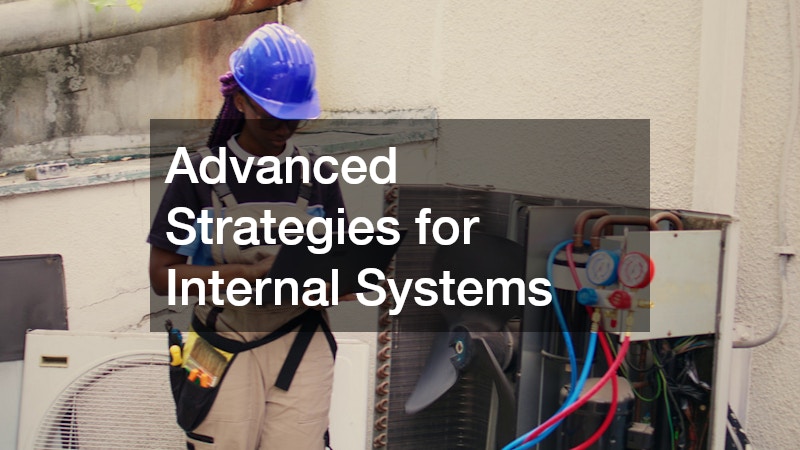
To truly optimize a property, we must examine the specific internal mechanics that keep a home running efficiently. These systems often operate in the background, but their impact on the overall functionality and energy efficiency of the house is substantial.
Zoned Climate Control
Traditional heating and cooling systems often condition the entire home to a single temperature, leading to unnecessary energy consumption. By implementing a zoned climate control system, homeowners can strategically use dampers to direct conditioned air only to the occupied rooms. This targeted approach minimizes energy waste, especially in areas like guest rooms or formal dining spaces that are not frequently used during the day. Moreover, zoning can enhance comfort by allowing different areas of the home to maintain different temperatures based on personal preference and usage patterns.
Heat Recovery Ventilation (HRV)
In modern homes, tight construction often results in limited fresh air circulation, leading to indoor air quality issues. An HRV system addresses this by exchanging stale indoor air for fresh outdoor air while recovering heat in the process. This means that during cold months, the heat from the outgoing air warms the incoming air, reducing the energy penalty typically incurred from simply opening a window for ventilation. As a result, homeowners benefit from improved air quality without significantly increasing energy costs, making it a win-win solution for comfort and efficiency.
Water Conservation and Heating
Water heating frequently ranks as the second-largest energy expense in a household, making it essential to implement strategies for both conservation and efficiency. High-efficiency toilets can reduce water usage significantly, while aerated showerheads mix air with water to create a satisfying spray using less water. Additionally, opting for tankless or heat-pump water heaters can drastically cut down on the energy required to heat water, as these systems only heat water on demand or utilize ambient heat from the environment, leading to lower utility bills and improved energy efficiency.
Reflective and Active Roofing
The roof serves as the primary barrier between the home and the elements, making it critical to choose materials that can help manage heat. Utilizing metal roofs or shingles with high solar reflectance properties can significantly lower attic temperatures during hot summer months. By reflecting more sunlight and absorbing less heat, these roofing materials help to prevent excess heat from radiating down into the living spaces below. This not only contributes to a cooler indoor environment but can also reduce the demand for air conditioning, further enhancing energy efficiency throughout the home.
By focusing on these internal mechanics and investing in energy-efficient technologies, homeowners can improve comfort, reduce energy costs, and contribute to a more sustainable future. Each adjustment not only benefits the household but also positively impacts the broader environment by minimizing energy consumption and resource use.
Maintenance as a Performance Tool
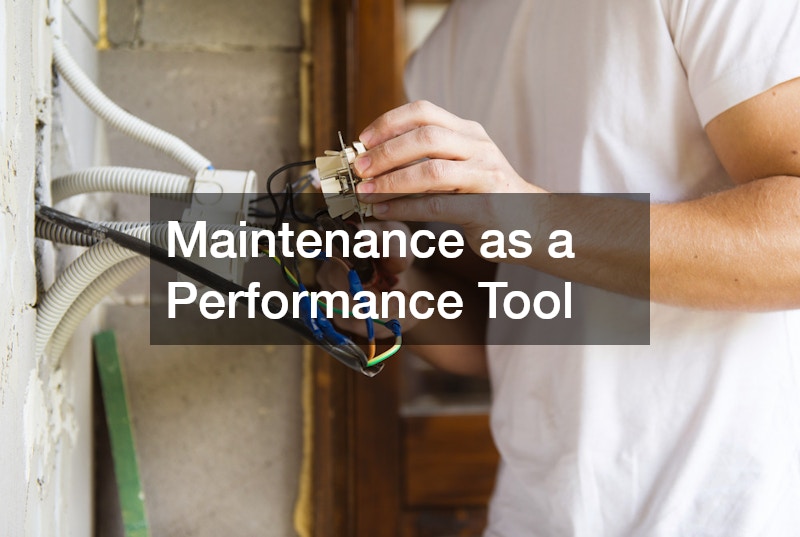
Long-term efficiency is not a static achievement; it is a moving target that requires constant vigilance and proactive management. As seals age and mechanical parts wear down, performance naturally dips, leading to increased energy consumption and potentially higher utility bills. A property that is truly optimized is one that is maintained with the rigor of a high-performance vehicle, where every component is regularly inspected and serviced to ensure peak performance. Just as neglecting regular oil changes can lead to catastrophic engine failure, ignoring the small signs of wear and tear in your home can eventually result in major efficiency drains that significantly impact your comfort and financial outlay.
Homeowners should keep a detailed seasonal checklist to ensure that the work of the professionals they hired remains effective. This checklist includes crucial tasks such as checking for “seal failure” in double-pane windows, which is often indicated by fogging between the glass panes. This fogging is a sign that the insulating gas has escaped and the window will no longer perform as efficiently as intended. Additionally, it’s vital to inspect the insulation in the attic—looking for any settling or disturbances caused by pests—since compromised insulation can lead to significant heat loss in the winter and heat gain in the summer.
Moreover, don’t overlook the importance of maintaining your HVAC system. This includes changing air filters regularly, cleaning ducts, and scheduling annual professional maintenance to ensure the system operates at its best. In addition to HVAC upkeep, pay attention to doors and windows, sealing any gaps with caulk or weatherstripping to eliminate drafts. Checking the functionality of exhaust fans in kitchens and bathrooms can also prevent moisture buildup, which can lead to mold and efficiency losses.
When you treat your home as a living system that requires regular tuning, you extend the lifespan of every component, from the HVAC compressor to the exterior paint. Regular maintenance not only enhances comfort but also prevents costly repairs down the line. It ensures that the “deep” efficiency measures you invested in during the construction phase—like energy-efficient windows, high-quality insulation, and sustainable energy systems—continue to pay off for the entire life of the building. Ultimately, a proactive maintenance approach allows homeowners to enjoy a more comfortable, sustainable, and cost-effective living environment.
The Economic and Environmental Payoff
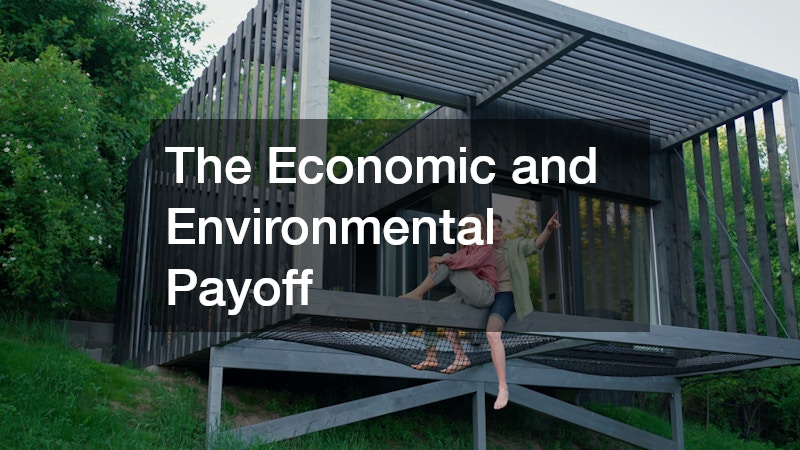
Ultimately, the drive toward maximum efficiency is fueled by three main factors: cost, comfort, and sustainability. An efficient home is a quiet home, as thick insulation and tight seals also block out street noise. It is a healthy home, with filtered air and managed humidity levels that prevent mold growth. And, perhaps most importantly for the modern homeowner, it is a resilient home that can maintain its temperature even during power outages or extreme weather events.
By combining the structural expertise of engineers, the precision of modern builders, and the intelligence of automated systems, you turn a standard house into a high-performance asset. This comprehensive approach ensures that your property is prepared for the future, providing value to you today and to the next generation of owners tomorrow. The initial investment in quality materials and professional expertise pays for itself many times over through reduced overhead and a significantly higher resale value. Efficiency is no longer an optional upgrade; it is the foundation of responsible property ownership.
A truly optimized property is one where every material choice and every professional partnership contributes to a singular goal: a home that provides maximum shelter with minimum waste. Whether you are starting with a blank slate or working within the footprint of a century-old house, the principles of efficiency remain the same. By focusing on the intersection of durability and technology, you create a sanctuary that is as smart as it is sturdy.