
Owning a home is one of the most significant investments most people will ever make, and protecting that investment requires more than reacting to problems as they arise. A practical homeowner understands that consistent annual maintenance prevents small issues from turning into expensive emergencies. By approaching upkeep with a structured, year-by-year plan, you can extend the life of your home’s systems, preserve property value, and maintain a safe, comfortable living environment. Rather than feeling overwhelmed by endless to-do lists, an organized maintenance strategy allows you to prioritize inspections, schedule repairs, and plan upgrades with confidence.
An effective annual maintenance plan focuses on inspection first, prevention second, and upgrades when appropriate. Each year, homeowners should review structural components, heating and cooling systems, drainage pathways, and interior spaces for signs of wear. Addressing concerns early gives you greater flexibility in scheduling professional services and budgeting for improvements. It also reduces the likelihood of sudden breakdowns during extreme weather or high-usage seasons.
This guide outlines a comprehensive, practical framework for inspecting, repairing, and upgrading key areas of your home each year. By breaking responsibilities into focused categories, you can create a predictable routine that keeps your property in excellent condition while minimizing stress and uncertainty.
Inspecting and Maintaining Your Home’s Structural Integrity
Each year, homeowners should begin their maintenance plan by carefully examining the physical structure of the property. Foundations, load-bearing walls, support beams, and exterior masonry all play a critical role in stability. Small cracks, shifting soil, or uneven flooring can signal developing issues that require attention. Scheduling a professional evaluation when warning signs appear can prevent long-term complications that require extensive building structural repair. Early detection is essential to avoiding escalating damage and maintaining a safe living environment.
Exterior inspections should include checking siding, brickwork, roofing supports, and window frames for signs of moisture infiltration or deterioration. Water intrusion can weaken framing materials over time, compromising the strength of the home’s structure. Pay attention to doors that stick, windows that no longer align properly, or new gaps along trim. These subtle changes may indicate movement within the structure that should not be ignored. Addressing them early preserves both safety and property value.
Interior inspections are equally important. Look for drywall cracks, sagging ceilings, or uneven floors. While minor settling is normal, significant shifts may require professional assessment. An annual structural review ensures your home remains secure, balanced, and capable of withstanding seasonal weather changes.
In addition to visual inspections, homeowners should consider documenting structural observations each year. Taking photos of foundation walls, exterior elevations, and interior stress points creates a valuable comparison record over time. Subtle changes are easier to detect when you have prior documentation for reference. It is also wise to inspect crawl spaces and basements for excess humidity, wood rot, or pest activity, as these conditions can quietly compromise structural components. Pay close attention to drainage patterns around the home after heavy rain, since pooling water can weaken foundational soil. By incorporating recordkeeping into your annual inspection routine, you create a proactive maintenance history that supports early intervention and informed decision-making if professional assessment becomes necessary.
Evaluating Cooling System Performance and Efficiency
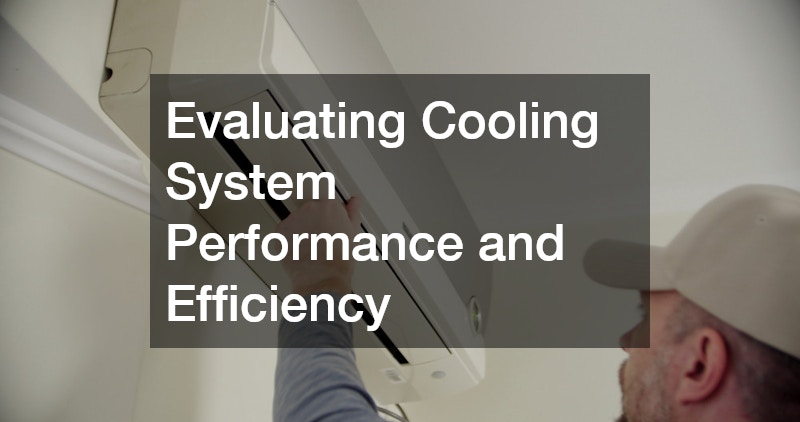
As warmer months approach, reviewing your cooling system should become a priority. Annual inspections help identify airflow restrictions, worn components, or refrigerant issues before peak usage begins. Homeowners planning upgrades may consider whether their current system meets efficiency standards or whether a new ac installation would provide improved performance and lower energy consumption. Proactive planning ensures comfort during the hottest parts of the year.
Routine tasks include replacing air filters, clearing debris from outdoor condenser units, and checking thermostat accuracy. These simple steps can significantly enhance system efficiency and indoor air quality. Additionally, scheduling a professional tune-up allows technicians to inspect electrical connections, test refrigerant levels, and verify proper airflow throughout the home.
Upgrading aging equipment may also reduce strain on other systems. Modern cooling units often provide improved energy efficiency and quieter operation. By evaluating performance annually, homeowners can determine whether maintenance alone is sufficient or whether replacement will offer long-term benefits.
Beyond mechanical inspections, homeowners should evaluate how evenly their home cools during peak summer months. Hot spots in certain rooms may indicate ductwork leaks, insufficient insulation, or airflow imbalance. Checking ceiling fans, sealing window gaps, and inspecting duct connections can enhance system performance. It is also helpful to monitor monthly energy usage trends, as sudden increases may signal declining efficiency. Landscaping adjustments, such as trimming shrubs around outdoor units, improve airflow and reduce strain. By combining equipment maintenance with airflow optimization and energy tracking, you ensure that your cooling system performs consistently. An annual review allows you to correct inefficiencies early and maintain a comfortable indoor environment throughout the warmer seasons.
Preparing Heating Systems for Cold Weather
Before temperatures drop, it is essential to examine your home’s heating system. Annual inspections help identify worn belts, cracked heat exchangers, or inefficient burners. Addressing concerns early reduces the risk of mid-season breakdowns that require urgent furnace repairs. A well-maintained heating system ensures consistent warmth and protects indoor plumbing from freezing conditions.
Changing filters and testing thermostat controls are simple but vital steps. Blocked airflow can strain the system and reduce efficiency. Scheduling professional servicing allows technicians to inspect ignition systems, safety controls, and ventilation components. These checks promote reliability and extend equipment lifespan.
Homeowners should also evaluate insulation and air sealing in conjunction with heating inspections. Even the most efficient system cannot perform effectively if warm air escapes through gaps or poorly insulated spaces. Annual heating maintenance supports both comfort and energy efficiency during winter months.
Homeowners should also test carbon monoxide detectors and inspect venting systems as part of annual heating preparation. Proper ventilation ensures combustion gases exit the home safely and efficiently. Inspect flue pipes for corrosion, loose connections, or blockages that could compromise performance. Sealing gaps around doors and windows further improves heating efficiency by reducing drafts. Additionally, consider evaluating programmable thermostat settings to optimize temperature control during occupied and unoccupied hours. Small adjustments can significantly improve energy efficiency and indoor comfort. By addressing both mechanical components and environmental factors, you create a comprehensive winter readiness plan that enhances reliability and safety during the coldest months of the year.
Reviewing Financial Commitments and Property Value

While physical maintenance is essential, homeowners should also review the financial side of property ownership each year. Evaluating interest rates, refinancing options, and long-term equity growth can impact overall financial health. Periodic reviews of mortgage loans help ensure that your financing aligns with your long-term goals and current market conditions.
Assessing property value trends provides insight into when upgrades may yield strong returns. Maintenance investments often protect equity and strengthen resale potential. Keeping detailed records of inspections and repairs also demonstrates responsible ownership.
Annual financial reviews complement physical maintenance by ensuring that your home remains both structurally sound and economically sustainable.
An annual financial review should also include examining homeowners insurance coverage and tax assessments. Ensuring adequate coverage for structural components, personal property, and liability protection provides peace of mind in the event of unexpected damage. Reviewing local market conditions can also help determine whether strategic upgrades may improve equity growth. Maintaining organized records of inspections, warranties, and maintenance schedules supports both insurance claims and future resale transactions. If refinancing or adjusting loan terms is beneficial, early planning allows for smoother transitions. By treating financial maintenance with the same diligence as physical upkeep, homeowners maintain stability and maximize long-term property value.
Addressing Drainage Issues Inside the Home
Plumbing systems require routine attention to prevent disruptions. Slow sinks or standing water in showers may signal a clogged drain that needs prompt attention. Ignoring minor blockages can lead to pipe damage or water backups that affect flooring and cabinetry. Annual inspections of household drains reduce the risk of unexpected plumbing emergencies.
Homeowners can flush drains with appropriate cleaning solutions and inspect visible pipes for leaks. However, recurring clogs may indicate deeper issues in the system. Professional evaluations can identify buildup or root intrusion in underground lines.
Maintaining clear drainage protects both sanitation and structural materials. Consistent attention to plumbing reduces the likelihood of water damage and costly remediation.
Homeowners should also inspect sink traps, garbage disposals, and bathroom fixtures for minor leaks or buildup. Even small drips beneath cabinetry can cause hidden water damage over time. Regularly running water in infrequently used drains helps prevent odor and trap drying. Consider installing drain strainers to reduce hair and debris accumulation in high-use areas. Monitoring water pressure throughout the home can also reveal developing restrictions within pipes. If unusual gurgling sounds or persistent slow drainage occurs, professional inspection may be necessary. Establishing a preventative routine reduces emergency disruptions and protects interior finishes from avoidable moisture exposure.
Managing Exterior Water Flow and Runoff
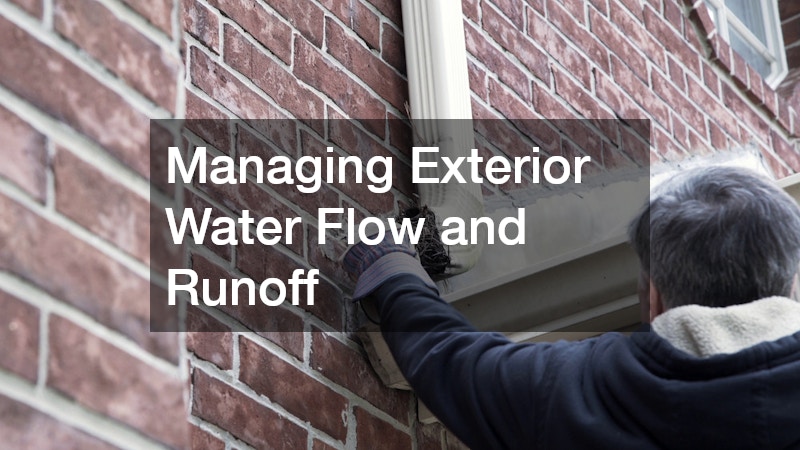
Outdoor drainage systems are equally critical. Gutters, downspouts, and grading around the home must direct water away from the foundation. Annual cleaning and inspection of these systems help prevent erosion and moisture infiltration. In areas prone to heavy rainfall, homeowners may rely on professional storm drain services to maintain optimal water flow.
Clearing leaves, debris, and sediment from drainage pathways ensures that water does not pool near structural components. Proper runoff management protects basements and crawl spaces from flooding. By maintaining exterior drainage systems each year, homeowners safeguard the foundation and reduce the risk of long-term structural deterioration.
Assessing Fire and Smoke Impact
Even minor household incidents can leave lingering effects. After a kitchen mishap or small fire, inspecting for smoke damages is crucial. Residue can infiltrate walls, insulation, and ventilation systems, affecting air quality and structural materials. Annual evaluations of smoke detectors and fire safety equipment also enhance preparedness.
Cleaning affected surfaces promptly prevents long-term staining or odor retention. Professional restoration may be necessary if smoke penetrates deeply into porous materials. Routine safety checks and remediation efforts maintain indoor air quality and protect the home from hidden damage.
Maintaining Access Points and Security

Garage doors experience frequent use and require yearly inspection. Worn springs, misaligned tracks, or faulty openers can compromise safety and convenience. Scheduling professional garage door repairs at the first sign of unusual noise or resistance prevents larger mechanical failures.
Inspect safety sensors and lubricate moving parts annually. Proper maintenance ensures smooth operation and protects stored belongings. Secure access points contribute to overall household safety and daily functionality.
Inspecting Water Supply Systems
Leaks under sinks, fluctuating water pressure, or damp walls may indicate the need for plumbing repairs. Annual inspections of supply lines, water heaters, and shutoff valves prevent hidden damage. Even minor leaks can waste significant water over time.
Professional inspections ensure compliance with safety standards and identify aging components. Preventive maintenance protects flooring, cabinetry, and structural materials from moisture-related deterioration. A well-maintained plumbing system supports both convenience and property preservation.
Improving Energy Efficiency in Upper Spaces
Heat loss often occurs through the roof and upper walls. Annual inspections of attic insulation companies and ventilation systems help maintain consistent indoor temperatures. Adequate insulation reduces strain on heating and cooling systems while lowering energy consumption.
Checking for moisture buildup, pest intrusion, or compressed insulation ensures optimal performance. Upgrading materials when necessary enhances comfort and long-term efficiency. Energy-efficient insulation supports sustainability and year-round climate control.
A practical annual maintenance plan empowers homeowners to protect their investment through proactive care and informed decision-making. By inspecting structural components, evaluating heating and cooling systems, maintaining drainage pathways, and reviewing financial obligations, you create a comprehensive strategy that minimizes risk and maximizes longevity. Regular attention to safety systems, plumbing infrastructure, insulation, and exterior features ensures that small issues are resolved before they escalate into costly disruptions.
Homeownership becomes more manageable when maintenance is intentional and organized. Rather than reacting to emergencies, you can schedule inspections, plan upgrades, and allocate resources with clarity. Over time, this disciplined approach preserves property value, enhances comfort, and supports long-term financial stability. By following a structured annual plan, you position your home to remain safe, efficient, and resilient for years to come.