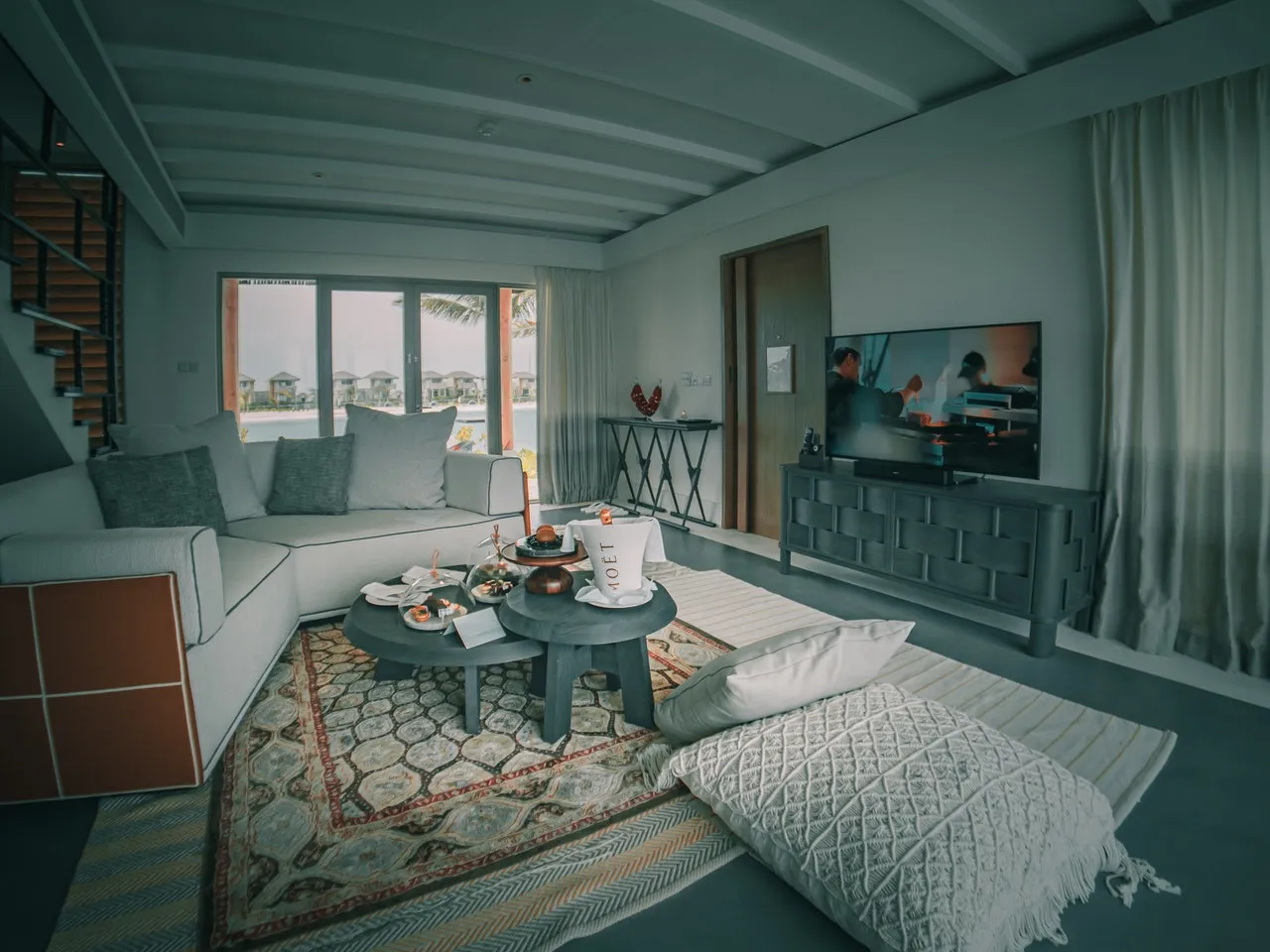
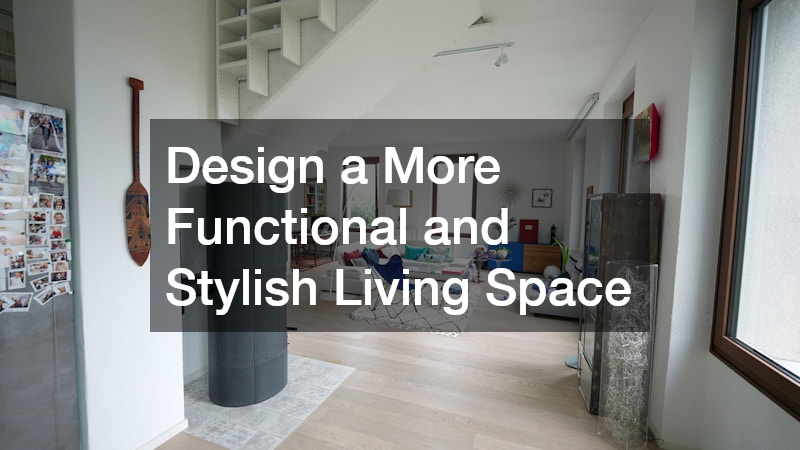
A beautiful home is not always a functional one. Many people discover this after moving into a new house or completing a renovation that looked impressive online but failed to support everyday life. A living room may appear elegant, but it feels cramped when guests visit. A kitchen may feature trendy finishes yet lack usable storage. Even a spacious home can become frustrating if the layout, lighting, or organization works against the routines of the people living there.
The most successful living spaces are the ones that quietly make life easier. They encourage movement, reduce stress, support comfort, and still reflect personal style. Functionality and design are not opposing ideas. In fact, the best interiors blend the two so naturally that the home feels effortless to live in.
Creating that balance rarely happens through one dramatic change. More often, it comes from thoughtful decisions made over time: improving traffic flow, choosing durable finishes, updating neglected systems, and paying attention to the details people interact with every day. Whether you are refreshing a single room or planning broader improvements, focusing on practical comfort can help your home feel more welcoming, organized, and timeless.
Evaluating How the Home Actually Functions
Looking Beyond Surface-Level Design
Many homeowners begin decorating before they fully understand how their space operates. They buy furniture, choose paint colors, or install trendy fixtures without considering how people move through the room. Eventually, small frustrations begin to appear. Chairs block pathways. Storage becomes inadequate. Certain areas collect clutter while others go unused.
One of the most useful exercises during a redesign is simply observing how the home functions during a typical week. Watch where people naturally gather. Notice where shoes pile up, where cords become tangled, or where lighting feels insufficient at night. These details reveal more about a home’s functionality than a design catalog ever could.
Sometimes the biggest improvements are surprisingly simple:
- Repositioning furniture to improve movement
- Removing oversized pieces that visually overwhelm the room
- Adding layered lighting instead of relying on one ceiling fixture
- Creating dedicated storage near entry points
These practical adjustments can completely change how a space feels without requiring major construction.
Addressing Structural Issues Before Decorating
There is also value in dealing with foundational problems before focusing on aesthetics. Uneven flooring, for example, can affect furniture placement, create visual imbalance, and even become a safety concern over time. In older homes, especially, minor shifts in concrete surfaces are common.
Professional concrete leveling can help restore stability in areas where floors, patios, or walkways have settled unevenly. Addressing these issues early prevents future complications and creates a smoother foundation for design updates.
A room tends to feel calmer and more polished when the physical structure itself is working properly. Stylish décor cannot fully compensate for a space that feels awkward or unstable underneath.
Improving Comfort Through Better Environmental Control
Creating Rooms That Feel Comfortable Year-Round
Temperature affects how people experience a room more than almost any decorative element. A stylish living area quickly loses its appeal if it feels too hot in summer or drafty in winter.
Comfort begins with understanding how air moves through the home. Rooms with poor circulation often feel stuffy and uncomfortable even when the thermostat appears correct. Rearranging furniture away from vents, adding ceiling fans, or using lighter window treatments can make a noticeable difference.
Natural light also plays a major role in perceived comfort. Bright spaces often feel larger and cleaner, while dark corners can make even beautiful interiors feel closed off. Instead of relying solely on overhead lighting, consider combining several sources:
- Ambient lighting for overall brightness
- Task lighting near work areas
- Accent lighting to create warmth and depth
This layered approach makes rooms feel more adaptable throughout the day.
Updating Systems That Support Daily Living
Sometimes comfort problems stem from outdated mechanical systems rather than the room itself. Poor airflow, inconsistent temperatures, and excessive humidity can all interfere with how enjoyable a home feels.
Experienced HVAC contractors can help homeowners evaluate whether existing systems are operating efficiently or limiting overall comfort. In some homes, improvements such as zoning systems, updated ductwork, or modern thermostats dramatically improve daily living without requiring visible design changes.
What makes these upgrades valuable is their subtlety. When heating and cooling systems work well, people stop thinking about them entirely. The home simply feels comfortable in every season.
Connecting Indoor and Outdoor Spaces More Naturally

Using Landscaping to Shape the Feel of a Property
Outdoor areas influence the atmosphere of a home long before anyone steps inside. Mature trees, clean walkways, and intentional landscaping create a sense of calm and cohesion that carries indoors.
One effective design strategy is treating outdoor areas as extensions of interior living spaces rather than completely separate zones. A shaded patio can function like a second living room. Strategic greenery near windows softens views and filters harsh sunlight naturally.
At the same time, overgrown landscaping can create problems that interfere with both appearance and safety. Branches pressing against siding or hanging over roofs may eventually lead to damage, moisture issues, or blocked light.
Professional tree service becomes especially valuable when mature landscaping starts affecting the structure or usability of the property. Thoughtful pruning and maintenance preserve the beauty of outdoor spaces while protecting the home itself.
Maintaining Exterior Surfaces Consistently
Even well-designed homes begin to feel neglected when exterior surfaces accumulate dirt, mildew, or stains. Driveways, patios, siding, and fences gradually lose their visual appeal when maintenance is postponed for too long.
Routine power washing helps restore brightness and definition to these surfaces without requiring expensive replacements. The difference can be surprisingly dramatic. Concrete appears newer, wood looks cleaner, and exterior colors regain clarity.
This type of maintenance also influences how homeowners feel emotionally about their space. A clean exterior often motivates additional improvements inside the home as well.
Choosing Finishes That Balance Beauty and Durability
Avoiding Materials That Wear Out Too Quickly
One of the most common design mistakes is prioritizing appearance without considering long-term durability. Delicate materials may photograph beautifully but become frustrating in real-world use, especially in homes with children, pets, or heavy daily traffic.
The goal is not to eliminate style in favor of practicality. Instead, it is about selecting finishes that age gracefully.
For example:
- Matte finishes often hide fingerprints better than glossy surfaces
- Textured fabrics disguise wear more effectively than smooth materials
- Medium wood tones usually show less dust and scratching than extremely dark finishes
Design decisions become more sustainable when homeowners think several years ahead rather than focusing solely on immediate trends.
Refreshing Existing Features Instead of Replacing Them
Not every update requires a full replacement. In many cases, older metal fixtures, railings, furniture frames, or outdoor elements simply need refinishing rather than removal.
A professional powder coating company can restore worn metal surfaces with finishes that are both attractive and highly durable. Powder coating resists chipping, fading, and corrosion more effectively than many traditional paint applications.
This approach works particularly well for homeowners trying to modernize a space while preserving existing architectural details. Instead of discarding functional pieces, refinishing allows them to integrate seamlessly into updated designs.
The result often feels more layered and intentional than replacing everything with brand-new materials.
Focusing on Improvements That Simplify Daily Life
Identifying the Most Frustrating Areas First
When homeowners imagine remodeling projects, they often think about dramatic visual transformations. Yet the most meaningful improvements are frequently the ones that solve recurring annoyances.
A kitchen with insufficient storage creates daily frustration. A laundry room without organization becomes chaotic. A living room lacking flexible seating may never function properly for gatherings.
Before starting any redesign, it helps to ask practical questions:
- Which areas create stress most often?
- Where does clutter naturally accumulate?
- What tasks feel inconvenient or inefficient?
- Which spaces no longer match current routines?
The answers usually point toward the most valuable upgrades.
Planning Renovations With Long-Term Flexibility
Families change over time, and homes should adapt alongside them. A guest room may eventually become a home office. A formal dining area might work better as a study zone or reading room.
Professional home remodeling services often help homeowners rethink how existing square footage can support evolving needs without expanding the home unnecessarily.
Flexible design choices tend to age better than highly specialized layouts. Built-in storage, movable furniture, and adaptable lighting create spaces that remain useful through different life stages.
This mindset also helps avoid trend-driven renovations that quickly feel outdated. A functional space with timeless proportions and practical flow usually retains value longer than one designed around temporary aesthetics.
Preventing Hidden Problems Before They Escalate
Paying Attention to Small Warning Signs
Many homeowners focus on visible improvements while ignoring issues hidden behind walls, beneath floors, or underground. Unfortunately, these overlooked problems often become the most expensive to repair later.
Small signs such as musty odors, damp drywall, unexplained stains, or rising utility bills can indicate underlying plumbing or drainage concerns. The earlier these problems are identified, the easier they are to manage.
Some homeowners postpone investigations because the symptoms seem minor. Yet moisture-related issues rarely improve on their own.
Addressing Infrastructure Before Cosmetic Upgrades
There are situations where exterior grading, drainage corrections, or underground utility work become necessary before interior renovations make sense. An experienced excavation contractor may help resolve issues involving water flow, soil instability, or damaged underground lines that contribute to ongoing structural concerns.
Likewise, a professional leak detection service can identify hidden plumbing leaks that might otherwise remain unnoticed for months. Catching these issues early protects flooring, cabinetry, insulation, and furniture from long-term damage.
Although these improvements are less visually exciting than new décor or finishes, they create the conditions necessary for a truly comfortable home. Cosmetic updates tend to last longer when the underlying infrastructure is sound.
Refreshing Furniture and Personal Details Thoughtfully
Combining Comfort With Individual Style
Furniture shapes how a room feels emotionally as much as physically. A space filled with uncomfortable seating or oversized pieces can quickly become difficult to enjoy, regardless of how stylish it appears.
Rather than replacing everything at once, many homeowners benefit from editing carefully over time. Mixing older items with newer accents often creates a more personal and welcoming environment than purchasing matching furniture sets.
Texture also matters more than many people realize. Linen, leather, velvet, wood, and woven materials each contribute different sensory qualities to a room. Combining them thoughtfully creates warmth and visual depth.
Sometimes a single updated chair, rug, or lighting fixture changes the energy of an entire space.
Preserving Meaningful Pieces Creatively
Many households own furniture with sentimental or practical value that no longer fits the current design aesthetic. Instead of discarding these items, restoration can provide a more meaningful solution.
Skilled local upholsterers can transform aging seating with updated fabrics, modern textures, and custom detailing that better suits the surrounding space. Reupholstering often allows homeowners to preserve the comfort and craftsmanship of older furniture while adapting it to newer interiors.
This approach frequently produces more unique results than mass-produced furniture purchases. A thoughtfully restored piece adds character that cannot easily be replicated.
Homes tend to feel richer and more authentic when they contain a mix of old and new rather than appearing overly staged or uniform.
Updating Entry Areas for Better Flow and Appearance
Creating Smoother Transitions Into the Home
Entry points influence the tone of a home immediately. Cluttered, dark, or cramped entrances can make the entire property feel disorganized before guests even move beyond the doorway.
Improving these spaces does not necessarily require major renovations. In many homes, small adjustments create significant improvements:
- Adding concealed storage for shoes and bags
- Installing hooks or benches near entrances
- Improving lighting around doorways
- Using mirrors to increase brightness and openness
The goal is to create a transition that feels both welcoming and functional.
Garage areas deserve attention as well. In many households, the garage entry functions as the primary daily entrance rather than the front door. Yet it is often treated as purely utilitarian.
Improving Exterior Consistency and Convenience
An outdated garage door can affect curb appeal far more than homeowners realize. It occupies a substantial visual portion of many homes, making its condition highly noticeable.
A modern garage door replacement service can improve both appearance and functionality through quieter operation, better insulation, enhanced security, and updated design options. Choosing a style that complements the architecture of the home helps create stronger visual cohesion overall.
These upgrades also affect everyday convenience. Smoother operation, smart technology integration, and improved weather sealing all contribute to a more comfortable living experience.
Sometimes the most impactful design improvements are the ones people interact with repeatedly throughout the day.
Maintaining a Home That Continues to Feel Inviting
Creating a functional and stylish living space is rarely a one-time achievement. Homes evolve alongside the people who live in them, and maintaining comfort requires ongoing attention rather than perfection.
What matters most is developing an environment that supports daily life naturally. A well-designed home does not need to look extravagant or follow every trend. Instead, it should feel comfortable, adaptable, and genuinely enjoyable to live in.
Small maintenance habits often protect these improvements over time. Cleaning exterior surfaces regularly, monitoring moisture issues, servicing heating systems, and updating worn furnishings gradually prevents larger problems from developing later.
Equally important is allowing spaces to evolve thoughtfully. A home should reflect changing needs, routines, and priorities rather than remaining frozen in a single design moment. The most successful interiors are not necessarily the most expensive or dramatic. They are the ones that continue working beautifully year after year.
When functionality and style support each other, the home becomes more than just visually appealing. It becomes easier to live in, easier to maintain, and ultimately more meaningful to the people who spend time there every day.