
There’s a certain excitement that comes with stepping into a brand-new home for the first time. Everything looks pristine, untouched, and ready for your life to begin. But beneath that polished surface, new construction homes often come with overlooked details, unfinished processes, and assumptions that can quickly turn into costly headaches.
Many homeowners make the same mistake: they assume “new” means perfect. In reality, construction timelines, multiple contractors, and last-minute fixes can leave behind small issues that don’t show up until after move-in. The good news is that most of these problems are preventable with the right mindset and preparation.
This guide walks through the most common mistakes people make when moving into a newly built home—and more importantly, how to avoid them with practical, real-world strategies.
Don’t Assume Everything Is Fully Ready to Use

One of the most common missteps is trusting that every system in a new home has been thoroughly cleaned, tested, and finalized. Builders are often working against deadlines, and while major systems are installed, they may not be optimized or fully inspected.
Take air quality, for example. During construction, dust, drywall particles, and debris circulate through ductwork. Even if everything looks clean, those particles are still present behind the scenes. Scheduling ventilation cleaning before fully settling in can make a noticeable difference in air quality and long-term system performance.
Fire safety is another area where assumptions can be risky. While systems may be installed, they’re not always independently verified after construction wraps up. Having a fire sprinkler company check your system ensures that everything is functioning properly and meets safety standards. It’s a small step that can provide significant peace of mind.
Instead of trusting appearances, approach your new home like a system that needs final tuning. Walk through each area with a critical eye and confirm functionality before relying on it daily.
Skipping a Deep Pre-Move Inspection Can Cost You
Before the boxes arrive and furniture gets placed, there’s a narrow window to identify issues while access is easy. Many homeowners do a quick walkthrough and move on—but that’s rarely enough.
Plumbing is a prime example. Construction debris—like sawdust, adhesives, and even small fragments of materials—can end up in pipes during installation. Everything might drain fine at first, but small blockages can build into bigger problems over time. Scheduling a professional drain cleaning early on can prevent slow drains, odors, or backups later.
Here’s a simple way to approach your inspection:
- Run every faucet and observe the water flow
- Flush toilets multiple times to check consistency
- Inspect under sinks for leaks or loose fittings
- Test all drains simultaneously to identify pressure issues
Catching problems now is far easier than dealing with them once your home is fully set up. Think of this stage as your last chance to see everything clearly before daily life fills the space.
Underestimating the Complexity of Moving Day
Moving into a new build isn’t always as straightforward as it sounds. Unlike established neighborhoods, construction zones can present unique logistical challenges.
For instance, roads may still be unfinished, driveways might not be fully cured, and access points could be limited. If you’re coordinating with a professional moving company, these factors can affect timing, costs, and even the safety of your belongings.
A smoother moving experience often comes down to planning details that are easy to overlook:
- Confirm access routes with your builder ahead of time
- Ask about weight restrictions for trucks on new driveways
- Schedule your moving date with flexibility in case of delays
- Stage your move in phases if necessary
There’s also the emotional side of moving into a brand-new home. It’s tempting to rush everything in at once, but pacing the process can reduce stress and prevent damage to newly finished surfaces. Taking a strategic approach to moving gives you more control over how your home is set up from day one.
Ignoring Waste Management Needs During Move-In
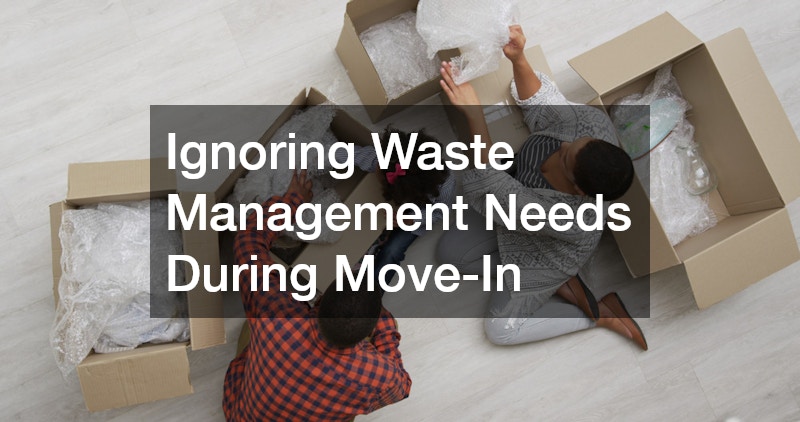
Moving generates more waste than most people expect. Between cardboard boxes, plastic wrap, packing materials, and leftover construction debris, clutter can build up quickly.
Without a plan, you may find yourself stacking boxes in corners or making multiple trips to disposal sites. This not only slows down your progress but also creates unnecessary stress.
Arranging a small dumpster rental ahead of time can simplify the entire process. It gives you a central place to dispose of materials as you unpack, keeping your home organized and functional from the start.
To make the most of it, consider separating materials as you go:
- Flatten boxes immediately after unpacking
- Keep recyclable materials in one area
- Dispose of non-reusable packing supplies promptly
Managing waste efficiently helps maintain momentum during the move and prevents your new home from feeling chaotic right out of the gate.
Forgetting About Storage During the Transition
Even in a brand-new home, storage can be surprisingly limited at first. Closets may not be fully optimized, garages might still be in use for projects, and you may not yet know where everything belongs.
This is where temporary solutions can make a big difference. Using local storage during the transition period allows you to keep your home uncluttered while you figure out long-term organization.
Instead of trying to unpack everything at once, take a more deliberate approach:
- Store seasonal or non-essential items offsite
- Unpack room by room based on priority
- Revisit stored items after a few weeks to reassess what you actually need
This method not only reduces overwhelm but also helps you design your living spaces more intentionally. You’re not just filling rooms—you’re creating a layout that works for your daily life.
Overlooking Outdoor Space Planning Early On
It’s easy to focus entirely on the interior during move-in, but outdoor spaces deserve just as much attention. In many new builds, landscaping is minimal or incomplete, leaving homeowners to figure out how to use the space effectively.
Jumping into projects too quickly can lead to wasted time and money. For example, installing outdoor structures without a clear plan can interfere with drainage, future landscaping, or property lines.
If you’re considering larger additions like a pole barn or similar structure, timing and placement are critical. These projects should align with long-term plans for your property, not just immediate needs.
Start by observing how your outdoor space behaves:
- Where does water collect after rain?
- How does sunlight move across the yard?
- Which areas feel most functional or underutilized?
Taking time to understand your space before building allows you to make smarter decisions that enhance both usability and value.
Neglecting Driveway and Exterior Surface Protection
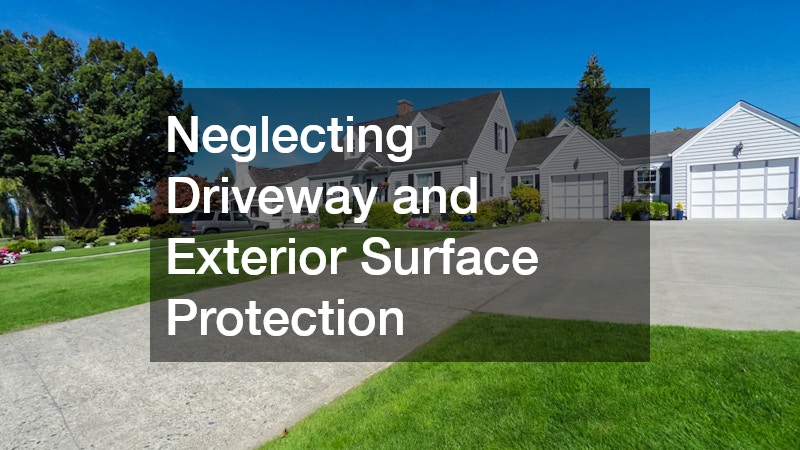
Your driveway might look solid and finished, but new surfaces often require a curing period before they’re fully durable. Applying pressure too soon—whether from vehicles or environmental exposure—can cause premature wear.
Many homeowners also delay maintenance, assuming it’s unnecessary for a new property. However, early care plays a major role in longevity. Scheduling asphalt sealing at the right time helps protect against cracks, water damage, and temperature fluctuations.
A few simple habits can extend the life of your exterior surfaces:
- Avoid parking heavy vehicles on new driveways too soon
- Keep surfaces clean from debris and chemicals
- Monitor for small cracks and address them early
Protecting these areas early prevents more expensive repairs down the line and keeps your home looking well-maintained from the start.
Waiting Too Long to Set Up Essential Utilities
Utility setup is one of those tasks that seems straightforward—until delays happen. In new developments, service availability can vary, and scheduling installations isn’t always immediate.
If your home relies on propane, planning ahead becomes even more important. Delivery schedules, tank installation, and system checks all need to be coordinated before move-in.
It’s also worth verifying that everything is functioning properly before relying on it daily. Test appliances, check connections, and confirm that supply levels are adequate.
A proactive approach might include:
- Contacting providers well before your move-in date
- Scheduling installations with buffer time for delays
- Performing a full system check once everything is set up
Ensuring utilities are ready to go eliminates one of the biggest sources of early frustration and helps your home feel truly livable from day one.
Not Planning for Long-Term Maintenance From Day One
It’s tempting to treat maintenance as something you’ll deal with later, but the first few weeks in a new home are actually the ideal time to establish routines.
Think of it this way: your home is in its best possible condition right now. Creating a maintenance plan helps you keep it that way.
This doesn’t have to be complicated. Start with a simple calendar that includes tasks like periodic drain cleaning and ventilation cleaning. Spacing these services throughout the year keeps systems running efficiently and reduces the risk of unexpected issues.
You might also consider documenting your home’s systems:
- Note installation dates and warranties
- Keep records of service providers
- Set reminders for seasonal checks
By building these habits early, maintenance becomes part of your routine rather than a reactive chore.
Trying to Do Everything at Once Instead of Prioritizing

There’s a natural urge to get everything done immediately—unpack every box, decorate every room, and complete every project. But this approach often leads to burnout and rushed decisions.
A more effective strategy is to prioritize what truly matters in the short term. Focus on safety, functionality, and comfort first. Everything else can follow.
Tools like local storage and a small dumpster rental can help you manage the pace of your move. They give you flexibility to work through tasks without feeling overwhelmed by clutter or time pressure.
Instead of tackling everything at once, consider breaking your move-in process into phases:
- Phase one: essentials and daily living spaces
- Phase two: organization and storage solutions
- Phase three: personalization and upgrades
This approach allows you to make thoughtful decisions and enjoy the process rather than rushing through it.
A Thoughtful Approach Makes All the Difference
Moving into a new home build is a unique experience—full of excitement, possibility, and yes, a few hidden challenges. The difference between a stressful transition and a smooth one often comes down to preparation and awareness.
By taking the time to inspect, plan, and prioritize, you’re not just avoiding mistakes—you’re setting the foundation for a home that works for you from the very beginning.
What many homeowners don’t realize until later is that the move-in phase quietly shapes how they’ll experience the home for years to come. The habits you establish in those first few weeks—how you maintain systems, how you organize your space, how quickly you address small issues—tend to stick. A rushed, reactive move-in often leads to lingering frustrations, while a thoughtful, steady approach creates a sense of control and confidence.
It also helps to reframe your expectations. Instead of treating move-in day as the finish line, think of it as the starting point of a longer process. Your home doesn’t need to be perfect immediately. In fact, giving yourself time to live in the space before making major decisions often leads to better outcomes. You begin to notice how rooms are actually used, where natural light falls throughout the day, and what small adjustments would make daily life easier.
There’s also real value in slowing down enough to notice details. Maybe it’s a door that doesn’t quite close right, a room that feels warmer than expected, or a space that could function better with a different layout. These aren’t major problems—but catching them early allows you to address them before they become ingrained inconveniences.
For many people, the most rewarding part of moving into a new home isn’t the flawless moment when everything is unpacked—it’s the gradual process of making the space truly yours. That might mean adjusting your routines, refining how you use each area, or simply taking the time to enjoy the quiet satisfaction of a home that’s set up with intention.
In the end, a smooth transition isn’t about avoiding every possible issue. It’s about approaching the process with clarity, patience, and a willingness to adapt. When you do that, your new home becomes more than just a place you moved into—it becomes a place that was thoughtfully built, step by step, around the way you actually live.