If you are planning a bathroom or kitchen renovation, chances are you want more than just a prettier space, you want to know that your money is actually working for you. The good news is that certain upgrades consistently return a large share of their cost when it comes time to sell, while others quietly protect your home value even if you never list your house. This guide breaks down which projects deliver the best payback, which ones support them behind the scenes, and how to prioritize your budget so every dollar counts. Whether you are updating a single bathroom or planning a full kitchen overhaul, understanding the full picture helps you avoid costly guesswork.
Why Kitchens and Bathrooms Lead the Return on Investment List
Kitchens and bathrooms are the two rooms buyers scrutinize most closely, and appraisers weigh them heavily when calculating home value. Unlike a finished basement or a new deck, these spaces are used daily, so wear and outdated finishes become obvious fast. National remodeling surveys consistently show that midrange bathroom and kitchen updates recoup a higher percentage of their cost than larger additions or luxury overhauls. That said, the return depends heavily on choosing updates that match your neighborhood’s price point rather than over-improving for the area.
- Minor kitchen remodels often return more value than major gut renovations
- Bathroom updates with modern fixtures appeal to a wide range of buyers
- Overspending on high-end finishes in a modest neighborhood rarely pays off
- Small, functional changes often outperform purely cosmetic ones
Refreshing Your Shower Space Without Overspending
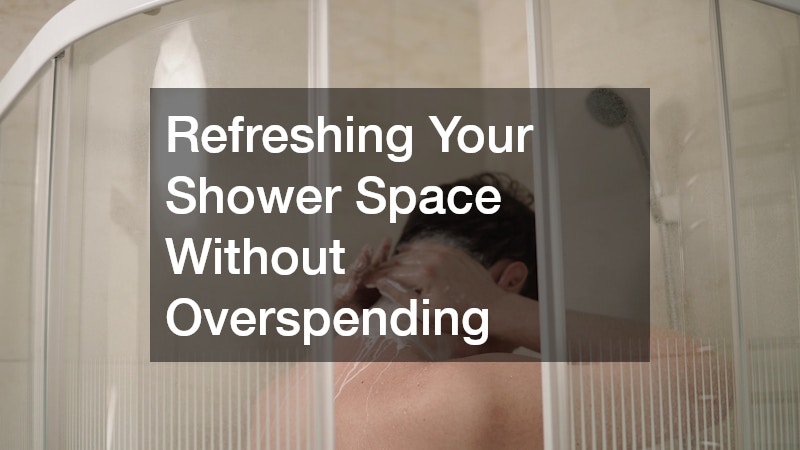
A dated shower or tub surround is one of the fastest ways to make a bathroom feel old, even if everything else has been updated. Replacing an old tiled enclosure with sleek glass showers instantly modernizes the room and creates the illusion of more space, which is especially valuable in smaller bathrooms. Frameless or semi-frameless glass options tend to appeal to buyers because they look clean, are easier to maintain than shower curtains, and photograph well for listings. If a full remodel isn’t in the budget, even swapping an old enclosure for a simple glass panel can noticeably improve how the entire bathroom presents.
- Frameless glass enclosures create a more open, luxurious feel
- Glass surfaces are easier to keep free of mold and mildew buildup
- Lighter, brighter bathrooms tend to photograph better for resale listings
- Pairing glass with updated tile maximizes the visual impact
Flooring Choices That Buyers Notice First

Flooring sets the tone for an entire kitchen, and it is one of the first things buyers mention when touring a home. Hardwood flooring installation continues to rank among the most requested features by home shoppers, largely because it feels timeless and pairs well with almost any design style. Real estate data consistently shows that homes with hardwood floors sell faster and often command asking price more reliably than comparable homes with carpet or vinyl.
Unlike carpet or laminate, hardwood tends to hold its appearance for decades with proper care, which makes it a durable long-term investment rather than a short-term trend. Solid oak, maple, and hickory are popular choices because they can be sanded and refinished multiple times, extending their lifespan well beyond thirty years. Engineered hardwood offers a budget-friendly alternative with similar visual appeal, particularly for homeowners concerned about moisture in kitchen environments.
Homeowners who install hardwood in the kitchen and adjoining living areas often see a smoother, more cohesive flow that buyers respond to immediately. This continuity eliminates the visual “chopped up” feeling that mismatched flooring transitions create between rooms. Choosing a consistent stain color throughout connected spaces also makes rooms appear larger, a detail agents frequently highlight during showings.
Before committing, homeowners should weigh factors like plank width, finish sheen, and subfloor condition, since these details affect both installation cost and long-term durability. Wider planks and matte finishes are currently trending for their modern, low-maintenance appeal.
- Hardwood typically outlasts vinyl or laminate by decades when maintained properly, often lasting 80-100+ years compared to 10-20 years for lower-cost alternatives
- Consistent flooring throughout main living areas increases perceived home value and helps rooms feel larger and more cohesive to walkthrough buyers
- Refinishing existing hardwood is often cheaper than a full replacement, typically costing $3-8 per square foot versus $8-15+ for new installation
- Light and medium wood tones currently appeal to the broadest range of buyers, as they photograph well and complement most existing cabinetry and trim
- Water-resistant engineered wood or luxury vinyl plank offers a practical middle ground in bathrooms and kitchens where moisture is a concern
- Avoid heavily distressed, dark, or trend-specific finishes, since buyers may see them as dated or view them as an added expense to replace
Curb Appeal Projects That Boost First Impressions

Before anyone steps into your updated kitchen or bathroom, they see the outside of your home, and that first impression shapes how they judge everything that follows. Real estate agents estimate that strong curb appeal can influence a buyer’s opinion within the first seven to ten seconds of viewing a property, making exterior updates just as important as interior renovations.
Hiring local painting contractors to refresh faded trim, doors, or siding is one of the most affordable ways to make a home look newer without a full exterior renovation. A fresh coat of paint typically costs a fraction of what siding replacement or major landscaping would run, yet it can yield a return on investment of over 50% at resale.
A clean, well-chosen color palette signals that the home has been cared for, which builders and appraisers often tie back into perceived overall value. Neutral tones like warm grays, soft whites, or muted blues tend to appeal to the widest range of buyers, while a bold front door color can add character without overwhelming the overall look.
Alongside a fresh coat of paint, dirt, algae, and grime buildup can make even a recently painted home look neglected within a year or two. This is especially true in humid climates, where mildew and moss can take hold on north-facing siding, shaded walkways, and covered porches within a matter of months.
Scheduling regular power washing services for siding, walkways, and driveways keeps these surfaces looking fresh between paint jobs and helps paint last longer by removing damaging buildup before it sets in. Most homes benefit from a professional cleaning once a year, though driveways and walkways with heavy foot traffic may need attention twice a year to prevent staining from oil, tree sap, or rust. A typical whole-exterior power washing job costs a few hundred dollars but can instantly brighten a home’s appearance in a single afternoon.
It’s worth noting that different surfaces require different pressure levels and techniques; vinyl siding, wood decking, and concrete each have distinct cleaning needs, and using too much pressure can strip paint or gouge softer materials. Hiring a professional who understands these nuances protects your investment while delivering a more consistent, streak-free result. Together, these two projects are relatively low-cost but have an outsized impact on how buyers perceive the rest of the home.
- Neutral exterior colors like greige, soft white, and warm gray tend to appeal to the widest pool of buyers, while bold or trendy hues can narrow your market
- Power washing before painting improves paint adhesion and longevity, helping a fresh coat last 7-10 years instead of fading or peeling early
- Clean walkways and driveways make outdoor spaces feel more inviting, and repairing cracks or stains signals the home has been well-maintained
- Fresh mulch, trimmed hedges, and potted plants near the entryway add color and warmth without a big investment
- Exterior refreshes are often completed in a matter of days, not weeks, making them a fast way to boost value before listing
- Replacing worn house numbers, mailboxes, and light fixtures offers a low-cost way to modernize a home’s facade
Outdoor Living Upgrades That Extend Your Square Footage
Once the kitchen and bathroom are handled, many homeowners look to outdoor spaces to add usable living area without the cost of a full addition. Composite decks have become a popular alternative to traditional wood decking because they resist rot, fading, and splintering while requiring far less annual upkeep. Buyers are often willing to pay more for a deck that looks new after five years rather than one that needs constant staining and repair. Because composite materials come in a range of colors and textures, homeowners can match the deck’s look to their home’s overall style rather than settling for standard wood tones.
- Composite materials typically require no staining or sealing
- Warranties on composite decking often run 20 to 30 years
- Low maintenance decking appeals to buyers who want fewer ongoing chores
- A well-built deck extends usable living space during warmer months
Protecting the Roof Over Your Head
No kitchen or bathroom upgrade matters much to a buyer if the roof over it is failing, which is why structural maintenance should never be an afterthought. A missing shingle or worn flashing might seem minor, but left unaddressed, it can lead to leaks that ruin drywall, insulation, and the very cabinetry or tile you just invested in.
Working with experienced roofers to repair damaged shingles, flashing, or gutters protects the entire home from water damage that can undo interior renovations quickly. Most asphalt shingle roofs last 20 to 25 years, so if yours is approaching that age, a professional inspection can catch curling edges, granule loss, or soft spots before they become expensive emergencies. Clogged or sagging gutters deserve equal attention, since they can send water pooling against the foundation instead of away from it.
A roof in good condition also reassures buyers and inspectors that they won’t be facing a major expense right after closing. Many lenders and insurers even require a roof certification confirming a minimum remaining lifespan before approving a sale, making timely repairs a practical necessity rather than just a selling point. Keeping receipts and warranty documentation from your roofing work can further strengthen a buyer’s confidence during negotiations.
Windows deserve the same attention, since drafty or damaged frames undercut both energy efficiency and curb appeal. Timely window repairs address issues like fogging between panes, warped frames, or broken seals before they lead to higher energy bills or interior water damage. Addressing these problems early is almost always cheaper than waiting for a full window replacement later.
A single failed seal can let in enough moisture to warp surrounding drywall or trim, turning a $150 repair into a $1,000 carpentry job within a season. Homeowners should also watch for condensation trapped between panes, drafts you can feel near the frame on a windy day, and paint or caulk that’s cracked enough to expose bare wood.
Beyond comfort, well-maintained windows factor directly into resale value: appraisers and buyers alike view foggy or sticking windows as a sign of deferred maintenance throughout the house. Scheduling an inspection every few years, especially after severe weather, helps catch minor issues while they’re still inexpensive to fix.
- Roof issues are one of the top reasons home inspections stall or derail a sale, since missing shingles, sagging areas, or signs of leaks raise immediate red flags for buyers and lenders alike
- Fixing minor roof damage early — like replacing a few cracked shingles or resealing flashing — can cost a few hundred dollars, but left unaddressed it often leads to interior water damage, mold, and repairs running into the thousands
- A roof replacement typically recoups 60-70% of its cost at resale, but even partial repairs can be the deciding factor in whether a sale closes smoothly
- Foggy, drafty, or hard-to-open windows are red flags for buyers during walkthroughs, often signaling failed seals or outdated frames
- Well-maintained or upgraded windows improve both comfort and energy costs, with ENERGY STAR-rated replacements potentially cutting heating and cooling bills by 12% or more
- Simple fixes like re-caulking, weatherstripping, or replacing broken hardware can boost a window’s performance and appearance without the expense of full replacement
Keeping Systems Running Efficiently Behind the Scenes
Buyers rarely get excited about a furnace or air conditioner, but they absolutely notice when these systems are neglected. Scheduling routine furnace repairs before winter—think replacing worn igniters, cleaning burners, or swapping out a clogged filter—ensures the system runs efficiently and reduces the risk of a sudden breakdown during the coldest months of the year. Most HVAC technicians recommend an annual tune-up costing $100 to $200, a small price compared to an emergency service call or a full system replacement that can run several thousand dollars.
The same logic applies to central air conditioning and water heaters, which often get overlooked until they fail. Keeping service records and receipts for these repairs gives buyers tangible proof that the home’s mechanicals have been maintained on schedule.
A well-maintained heating system also signals to future buyers that the home’s major mechanicals have been cared for, which can ease concerns during inspection. Inspectors frequently flag aging or poorly serviced HVAC units, and unresolved issues can become a negotiating point that lowers your final sale price.
The same logic applies to cooling systems, especially in regions with hot summers where air conditioning is treated as a near necessity rather than a luxury. Buyers in these climates often ask directly about the age and condition of the HVAC system, since a unit nearing the end of its 12-to-15-year lifespan can become a bargaining chip during negotiations.
Regular ac service, including filter changes, coil cleaning, and refrigerant checks, keeps the system running efficiently and extends its lifespan significantly. A well-maintained unit typically uses 10-15% less energy than a neglected one, which translates into lower utility bills that appraisers and buyers both notice.
Skipping this maintenance often leads to more expensive repairs down the road, such as compressor failure or refrigerant leaks that can cost thousands of dollars to fix. These surprise expenses can eat into any value gained from cosmetic upgrades elsewhere in the home, effectively erasing the return on a new kitchen backsplash or updated vanity.
Scheduling professional inspections once or twice a year, ideally before peak summer and winter seasons, is a small investment that protects a much larger one. Keeping service records on hand also gives future buyers confidence that the home’s mechanical systems have been properly cared for.
- Annual furnace maintenance (typically $100-$200 per visit) can prevent mid-winter emergency repairs that often cost three to four times as much
- Clean filters and coils help cooling systems run more efficiently, with a dirty filter alone able to cut efficiency by up to 15%
- Well-maintained HVAC systems reduce monthly energy costs, often saving 10-15% annually on heating and cooling bills
- Sealing and insulating ductwork prevents conditioned air from leaking into attics or crawlspaces, further boosting system performance
- Replacing HVAC systems older than 15 years with high-efficiency models can qualify homeowners for utility rebates or tax credits
- Service records can reassure buyers during the inspection process, signaling fewer surprises and stronger negotiating position at closing
Yard Maintenance That Protects Your Investment
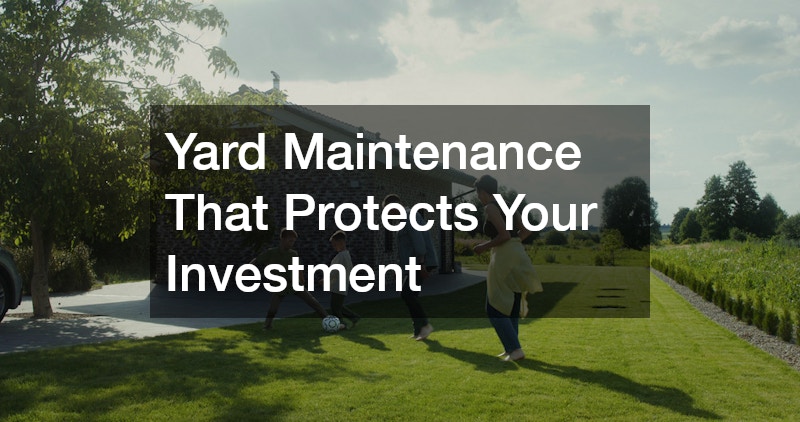
Landscaping might seem unrelated to kitchen and bathroom upgrades, but an unkempt yard can distract buyers from noticing the interior improvements you have made. Overgrown or dead trees are not just an eyesore, they can also pose safety risks and potential property damage during storms. Bringing in a local tree removal service to handle diseased, damaged, or overly close trees protects your home’s foundation, roof, and siding from future damage while improving the overall appearance of the property.
- Dead or leaning trees are a common concern flagged during home inspections
- Removing hazardous trees reduces risk of storm-related property damage
- A well-maintained yard complements interior renovations rather than competing with them
- Professional removal is safer and more efficient than DIY attempts on large trees
Timing Your Upgrades for Maximum Return
Even the best renovation choices can lose value if they are done at the wrong time or in the wrong order. Structural and mechanical issues, like a leaking roof or an aging furnace, should generally be addressed before investing heavily in cosmetic upgrades like new countertops or flooring. Once the essential systems are in good shape, cosmetic and mid-range updates tend to offer the strongest return because they are visible, functional, and appeal to a broad range of buyers.
- Address structural and safety issues before cosmetic upgrades
- Prioritize projects that impact daily use, like kitchens and bathrooms
- Avoid over-improving beyond what similar homes in your area offer
- Keep records of upgrades and maintenance to show future buyers
Smart renovation decisions come down to balancing visible upgrades with the maintenance that protects them long term. By focusing on high-impact projects in your kitchen and bathroom, while also keeping your roof, systems, and yard in good condition, you set your home up for both everyday enjoyment and long-term value. Start by identifying which areas need attention most urgently, then work outward from there so your investment builds steadily rather than being undermined by overlooked repairs.