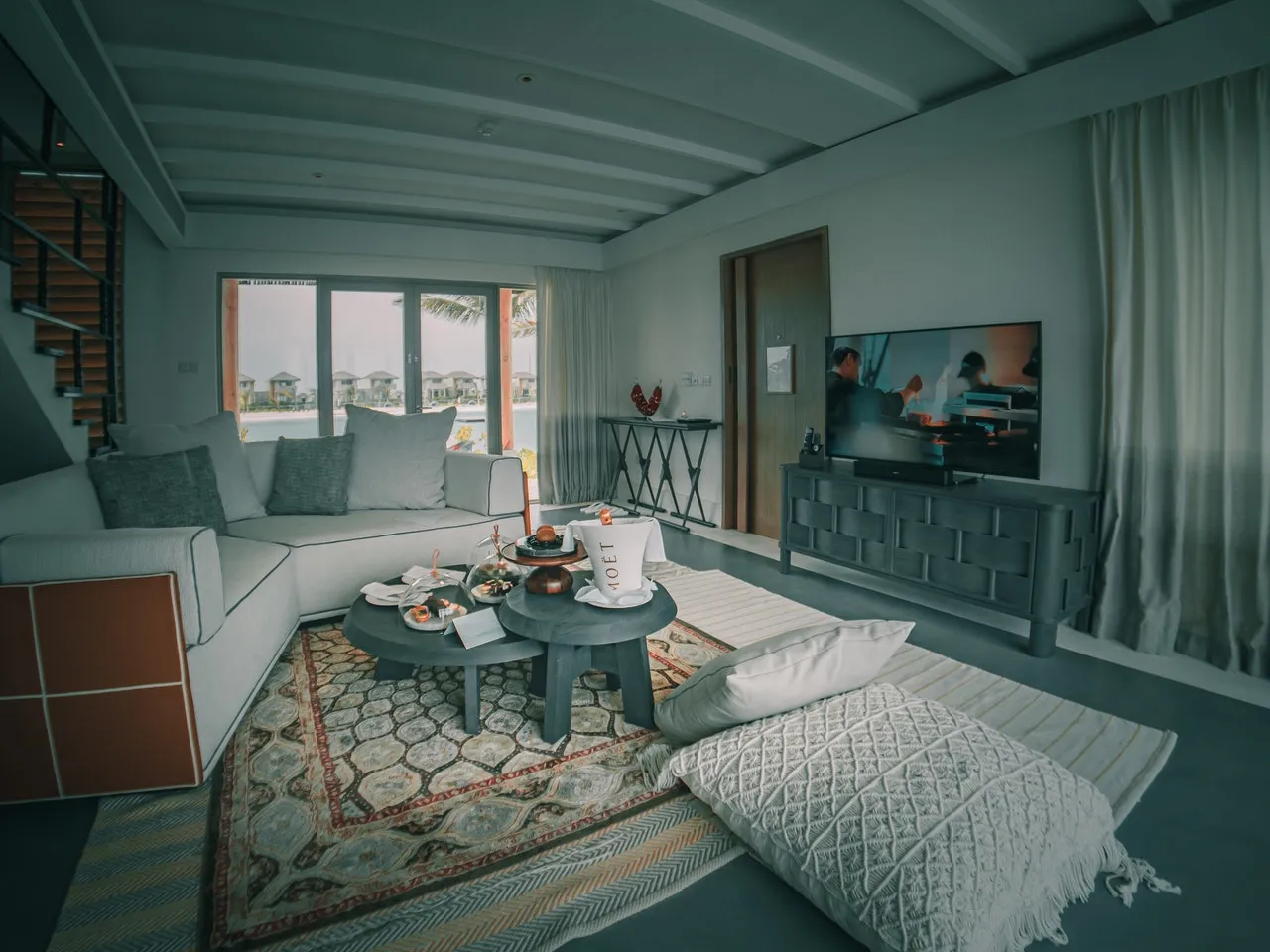

Every home decision, from the layout of a room to the materials on your roof, ultimately comes down to one question: will this keep you comfortable all year long? Too often homeowners chase trends or curb appeal without considering how a choice will perform during a heat wave, a downpour, or a cold snap. Comfort and climate are not afterthoughts, they are the foundation that should guide every renovation, repair, and upgrade. This guide walks through the systems and features that matter most, so you can make choices that actually improve how your home feels to live in.
Sizing and Selecting Your Home Cooling System

Before you commit to any cooling upgrade, it helps to understand that bigger is not always better. An oversized system cools a room quickly but cycles on and off too often, leaving humidity levels high and energy bills inflated. Proper AC installation depends on a load calculation that accounts for your home’s square footage, insulation quality, window placement, and local climate patterns. Getting this step right from the beginning saves money and frustration for years to come.
Homeowners often assume any contractor can handle this job, but the details matter more than people realize. A poorly sized or poorly installed system struggles to maintain even temperatures from room to room, which defeats the entire purpose of upgrading in the first place.
- Ask for a Manual J load calculation before accepting a quote
- Compare efficiency ratings, not just upfront price
- Request documentation on ductwork inspection as part of the estimate
- Factor in future additions like sunrooms or finished basements
Keeping Your Existing System Running Efficiently
Even the best cooling system needs regular attention to keep performing at its peak. Skipping maintenance leads to small issues becoming expensive breakdowns right when you need cool air the most. Scheduling AC repair at the first sign of trouble, like strange noises, weak airflow, or inconsistent temperatures, prevents a minor fix from turning into a full system replacement.
Many homeowners wait too long because they assume a small problem will resolve itself. In reality, refrigerant leaks, clogged filters, and worn components tend to worsen quickly, especially during peak summer demand.
- Replace filters every one to three months depending on usage
- Keep outdoor units clear of debris and overgrown landscaping
- Watch for rising energy bills as an early warning sign
- Schedule a professional tune-up each spring before heavy use begins
Choosing a Contractor You Can Trust With Comfort

The relationship you build with a service provider matters just as much as the equipment itself. Reputable AC companies employ licensed technicians, carry proper insurance, and stand behind their work with written warranties. Taking time to vet a provider before an emergency happens means you are not scrambling to make a rushed decision during a heat wave.
Price should never be the only deciding factor when comfort is on the line. A lower quote sometimes reflects shortcuts in labor or equipment quality that cost more down the road.
- Check for manufacturer certifications and local licensing
- Read recent customer reviews, not just overall star ratings
- Ask how emergency calls are prioritized during peak seasons
- Confirm warranty terms cover both parts and labor
Roof Materials That Respond to Regional Weather
Your roof does more than protect you from rain, it plays a direct role in how comfortable your home feels during extreme temperatures. Reflective roofing materials can reduce attic heat buildup significantly, while poor insulation beneath shingles allows heat to seep into living spaces below. Working with experienced roofing companies to select materials suited to your climate zone makes a measurable difference in year-round comfort.
Ventilation matters just as much as the material itself. A roof that traps hot, moist air accelerates wear on shingles and creates uneven indoor temperatures, particularly in upper-floor rooms.
- Light colored shingles reflect more solar heat in warm climates
- Proper attic ventilation reduces moisture and mold risk
- Insulation depth should match your regional climate recommendations
- Annual inspections catch small leaks before they expand
Durable Roofing Options for Extreme Climates
For homeowners facing hail, heavy snow loads, or intense coastal sun, standard asphalt shingles sometimes fall short of long-term performance expectations. Granules crack and shed, seals fail under thermal cycling, and a roof rated for twenty years can look worn in half that time when conditions are harsh. Metal roofing contractors offer systems designed to handle these extremes, with coatings that resist corrosion and reflect solar radiation more effectively than traditional materials. Standing-seam steel and aluminum panels shed snow load quickly rather than letting it accumulate, while factory-applied finishes rated for coastal environments resist salt spray corrosion for decades. Many systems also carry Class 4 impact ratings, meaning they withstand hail strikes that would dent or crack asphalt shingles, and some insurers offer premium discounts for that rating alone. The upfront investment often pays off through decades of reduced maintenance and lower cooling costs. Reflective coatings can lower attic temperatures by a noticeable margin during peak summer heat, easing the load on air conditioning systems. Factor in a lifespan of 40 to 70 years compared to roughly 20 for asphalt, and the cost per year of service often tips in metal’s favor despite the higher sticker price.
Choosing the right roofing professional for this type of project requires looking beyond general experience. Metal systems involve specific fastening techniques and expansion allowances that differ significantly from asphalt installation, since metal panels expand and contract with temperature swings and need clips or fasteners with slotted holes to accommodate that movement without buckling or tearing loose. Climate extremes demand materials engineered for the specific stress they’ll face. In regions with heavy snow loads, standing-seam metal roofs with steep pitches help shed weight quickly, while homes in hurricane-prone areas benefit from impact-rated shingles or metal systems rated for winds above 140 mph. In desert climates, reflective coatings or cool-roof rated materials reduce heat absorption and can lower attic temperatures by 20 degrees or more. Underlayment choice matters just as much as the surface material. Synthetic underlayments with high tear resistance perform better than traditional felt in freeze-thaw cycles, and ice-and-water shield membranes are essential along eaves and valleys in snowy climates to prevent leaks from ice damming. When vetting contractors, ask for examples of completed projects in similar climate conditions and confirm they’re familiar with local building codes, which often dictate wind uplift ratings, fastening patterns, or minimum underlayment requirements. A contractor who’s only installed asphalt shingles in mild weather may not understand the tolerances metal roofing requires, and that knowledge gap can show up years later as leaks, warping, or premature failure.
- Metal roofs can last forty to seventy years with proper care, far outlasting the fifteen to twenty year lifespan of standard asphalt shingles
- Standing seam designs handle snow shedding better than shingles, with raised seams that let heavy snow slide off before it builds into ice dams
- Reflective coatings lower attic temperatures in hot regions, sometimes cutting cooling costs by ten to twenty-five percent
- Ask about impact resistance ratings in hail prone areas, specifically Class 4 ratings, which can also qualify homeowners for insurance discounts
- Clay and concrete tiles suit hot, dry climates well since they resist sun damage and allow airflow underneath for natural cooling
- In coastal regions, check for corrosion-resistant fasteners and coatings, since salt air accelerates rust on standard materials
- Proper attic ventilation matters as much as the roofing material itself, since trapped heat or moisture undermines even the best product
Hiring the Right Roofing Professional for Your Climate
Not every roofing crew has experience with every material or weather challenge, which makes research an important step before signing a contract. Skilled roofers understand how local humidity, wind patterns, and temperature swings affect installation techniques and material choices. A roof installed without this regional knowledge may look fine initially but fail prematurely once seasonal extremes set in.
Getting multiple opinions before committing to a project protects both your budget and your comfort. A reputable professional will walk through ventilation, underlayment, and flashing details rather than focusing solely on the visible shingle layer.
- Request references from projects completed in your specific climate
- Ask how they handle unexpected weather delays mid project
- Confirm whether they inspect decking condition before installation
- Get written timelines that account for seasonal weather risks
Outdoor Drainage Systems That Protect Indoor Comfort
Comfort inside your home is closely tied to what happens underground, particularly when it comes to managing wastewater and groundwater. A failing septic system can introduce moisture problems, odors, and even structural damage that disrupts daily living. These issues rarely stay contained outside—excess moisture can seep into crawl spaces, elevate indoor humidity, and contribute to mold growth that affects respiratory comfort year-round. Proper drain field installation ensures water disperses safely away from your foundation, protecting both your yard and the air quality inside your home. Soil composition plays a major role here: sandy soils drain quickly but may not filter effluent thoroughly, while dense clay soils can cause water to pool near the surface if the system isn’t sized correctly. A percolation test before installation helps determine the right field size and layout, typically requiring anywhere from 150 to 800 square feet depending on household size and soil type. Grading and slope matter just as much as the system itself. Drain fields should be positioned with at least a 2% slope away from the home and kept a minimum of 10 feet from the foundation to prevent backflow during heavy rain events. Gutters, downspouts, and surface swales should also be designed to work alongside the drain field rather than against it, directing stormwater runoff away from the same saturated zones. Routine maintenance extends the life of these systems and keeps indoor comfort protected. Scheduling a septic inspection every one to three years, avoiding heavy equipment or new construction over the drain field, and keeping trees at a safe distance all help preserve proper drainage for decades.
Climate plays a bigger role in drainage planning than most homeowners realize. Regions with heavy rainfall or high water tables require different design approaches than drier climates, and ignoring these factors leads to recurring backups and costly repairs. In areas that see frequent downpours, grading the soil to slope away from the foundation at a rate of at least 6 inches over the first 10 feet is essential, paired with gutter systems and downspout extensions that carry water well clear of the house. French drains, dry wells, and catch basins become necessary additions where clay-heavy soil slows natural absorption, since standing water near the foundation can seep into basements and crawl spaces within hours of a storm. Homes built on properties with a high water table face a different challenge: water pushing up from below rather than just collecting from above. Here, sump pumps with battery backups, properly sealed foundation walls, and interior perimeter drains do the heavy lifting that surface grading alone can’t handle. Drier climates aren’t exempt from planning, either. Hardpan soil and infrequent but intense flash rains mean drainage systems still need capacity for sudden volume, even if they sit unused most of the year, and skipping this step because rain feels rare is a common and expensive mistake.
- Have your septic system inspected every one to three years, or annually if you have a garbage disposal or a household of five or more
- Pump the tank every three to five years to prevent solids from reaching and clogging the drain field
- Watch for soggy patches, unusually green grass, or sewage odors near the drain field — early signs of a failing system
- Avoid planting trees with aggressive roots (willows, poplars, maples) within 50 feet of pipes and drain fields
- Choose shallow-rooted shrubs or grass over the drain field instead, which stabilize soil without risking pipe intrusion
- Match system design to your soil type and water table depth, since sandy soil drains faster but clay or high water tables may require a raised or engineered system
- Keep gutters, downspouts, and surface grading directed away from the drain field to prevent oversaturation after heavy rain
Landscaping Techniques That Support Yard Health
A comfortable home extends beyond its walls into the surrounding landscape, and healthy soil plays a bigger role in that comfort than many people expect. Mulch helps regulate soil temperature, retain moisture, and reduce erosion, all of which protect your home’s exterior drainage systems. Many landscaping professionals now rely on bark blowers to distribute mulch evenly across large areas, saving time while ensuring consistent coverage that supports root health and moisture control.
Climate dictates how much mulch coverage your yard actually needs. Hotter regions benefit from deeper layers that lock in moisture, while wetter climates require careful placement to avoid trapping excess water against structures.
- Apply two to four inches of mulch for most climate zones
- Keep mulch pulled back a few inches from siding and foundations
- Refresh mulch annually to maintain moisture retention benefits
- Choose organic mulch types that improve soil over time
Outdoor Living Spaces Built for Year-Round Enjoyment
Expanding your living space outdoors only works if the design accounts for sun exposure, rainfall, and seasonal temperature shifts. Experienced front porch builders consider roof pitch, railing placement, and orientation to maximize comfort during both summer afternoons and cooler evenings. A well-designed porch becomes a usable extension of your home rather than a space that sits empty half the year.
Materials matter here just as much as layout. Durable decking and weather resistant finishes keep an outdoor space looking good while standing up to humidity, UV exposure, and temperature swings over time.
- Orient porches to capture morning sun and afternoon shade when possible
- Choose composite or treated materials for high humidity regions
- Add ceiling fans to improve airflow during warmer months
- Consider railing height and spacing for both safety and ventilation
Shade Solutions for Patios and Outdoor Gatherings
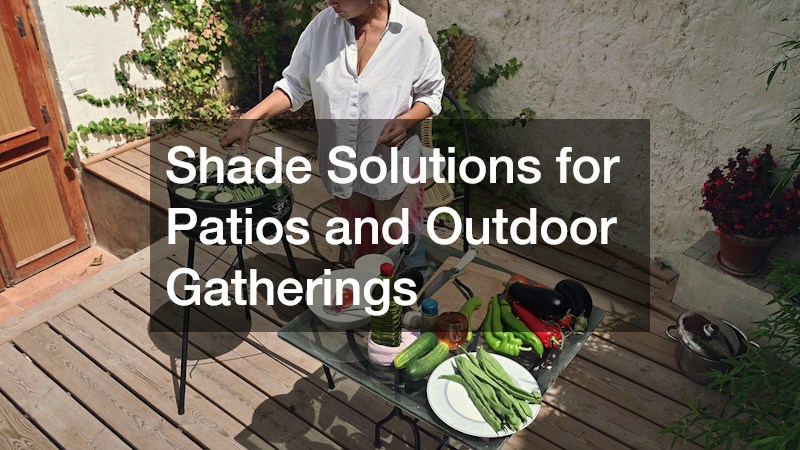
Sun exposure can make or break the usability of an outdoor space, especially during peak summer months. A patio that bakes in direct afternoon light by 2 p.m. often sits empty, no matter how nicely it’s furnished. Shade isn’t just a comfort feature; it’s what determines whether an outdoor area actually gets used. Retractable awnings give homeowners flexible control over shade, allowing sunlight in during cooler mornings and blocking harsh rays during afternoon heat. Most models extend between 8 and 12 feet, which is enough to cover a dining table or seating area without permanently shadowing the entire patio. Many also come with wind sensors that automatically retract the fabric during gusts above 20-25 mph, protecting the mechanism from damage. This adaptability makes them a practical choice for climates with significant temperature swings throughout the day, such as desert regions where mornings start cool and afternoons spike into the 90s or higher. Homeowners in humid climates benefit too, since partial shade can lower the perceived temperature on a patio by several degrees and reduce how hard nearby cooling systems have to work. For those weighing options, motorized awnings with remote or app controls add convenience, while manual, crank-operated versions offer a lower-cost entry point for smaller patios or tighter budgets.
Beyond comfort, shade structures protect outdoor furniture and flooring from sun damage over time. UV exposure fades fabric cushions, warps wood decking, and dries out sealants, so a well-placed awning or pergola cover can extend the life of a patio set by years rather than seasons. Fabric quality, frame durability, and motor reliability all factor into how well an awning performs season after season. Acrylic fabrics resist fading better than polyester blends, but they come at a higher price point, so it’s worth weighing upfront cost against longevity. Aluminum frames hold up better than steel in humid or coastal climates, where rust can quietly undermine a structure within a few years. For retractable awnings, motor quality matters just as much as the fabric. Wind sensors that automatically retract the awning during gusts above 20-25 mph prevent torn fabric and bent arms, a feature worth prioritizing in areas prone to sudden storms. Manual crank systems cost less and require less maintenance, but they demand someone remember to retract the awning before bad weather hits. Climate should also guide the choice between fixed and retractable shade. Fixed structures like pergolas suit consistently sunny regions, while retractable awnings offer flexibility for areas with variable weather, letting homeowners open their patios to winter sun while blocking summer heat.
- Look for UV resistant, water repellent fabric options, such as solution-dyed acrylic, which resists fading far better than printed polyester
- Choose motorized controls for convenience during sudden weather changes, ideally with a wireless remote or smart home integration
- Add a wind or rain sensor so awnings retract automatically when you’re not around to react
- Check wind ratings before installing in storm prone regions, aiming for at least a Class 2 rating (20-30 mph) if gusts are common
- Consider manual retraction as a backup during power outages, especially crank-operated systems that don’t rely on batteries
- Factor in frame material too; aluminum resists rust better than steel in humid or coastal climates
Comfort is not something that happens by accident, it is the result of deliberate decisions made room by room and system by system. Whether you are updating your cooling equipment, replacing a roof, improving drainage, or adding outdoor living space, climate should guide every choice along the way. Take time to research professionals, compare materials, and ask the right questions before committing to any project. Your home will feel the difference for years to come.